Eporner HD Sex Porn Discounts Sex Games Porn Games XXX Games Hentai Games PornStar Games 3D Porn Celebrity Sex Videos
Live Sex Free Live Sex Free Sex Games Páginas Porno Nude Celebrities TikTok Porn Sex Cam RoseToy Official Cams Porno AI Porn
Live Sex Free Live Sex Free Sex Games Páginas Porno Nude Celebrities TikTok Porn Sex Cam RoseToy Official Cams Porno AI Porn

Published on 2017/09/06
FUCK ANY GIRL WITH AI
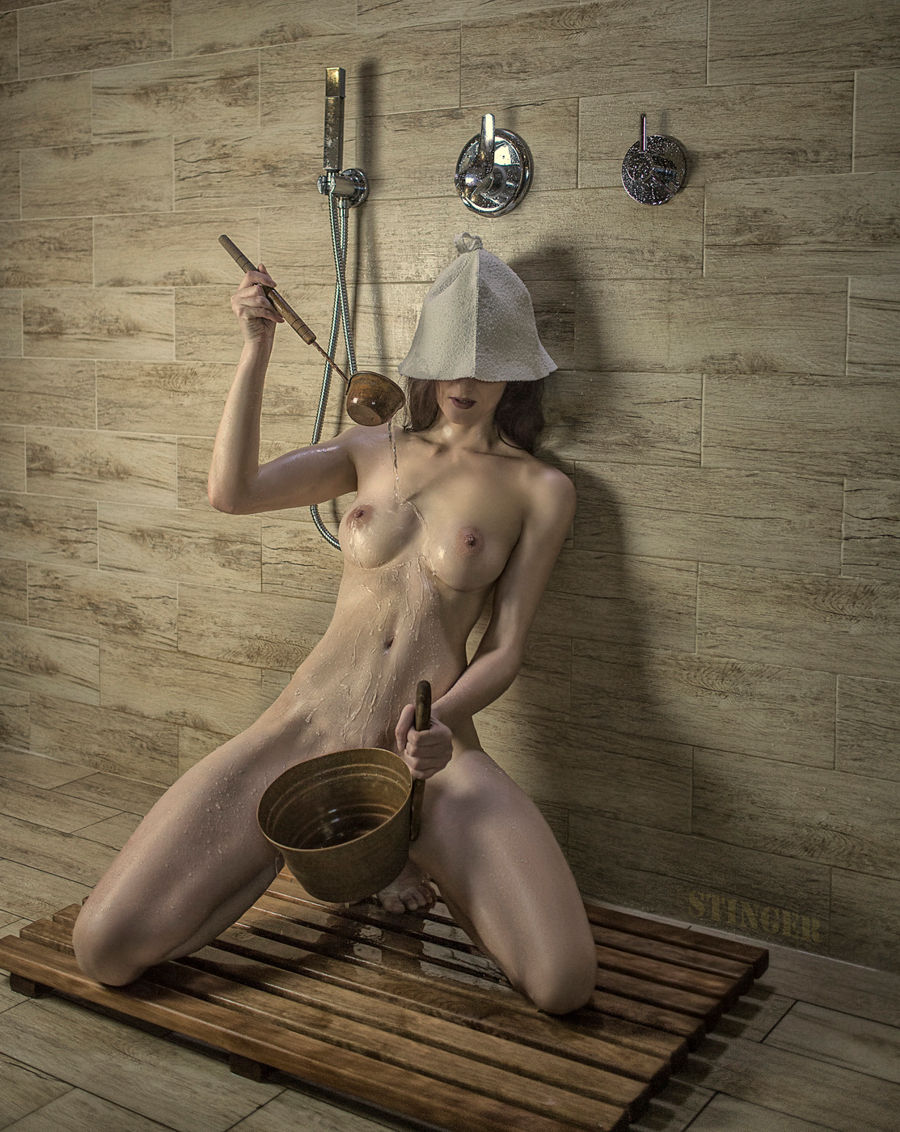
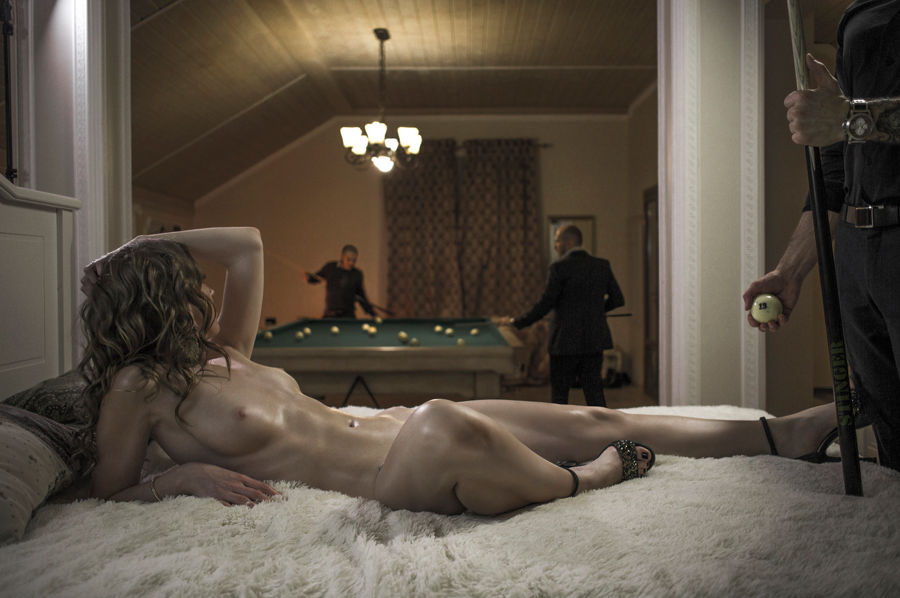

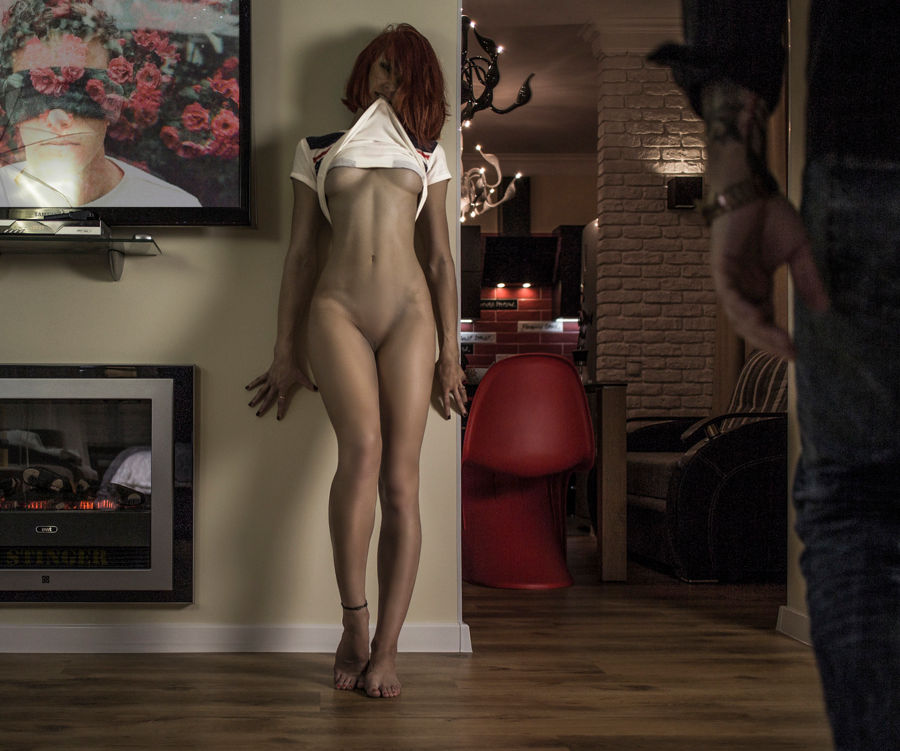
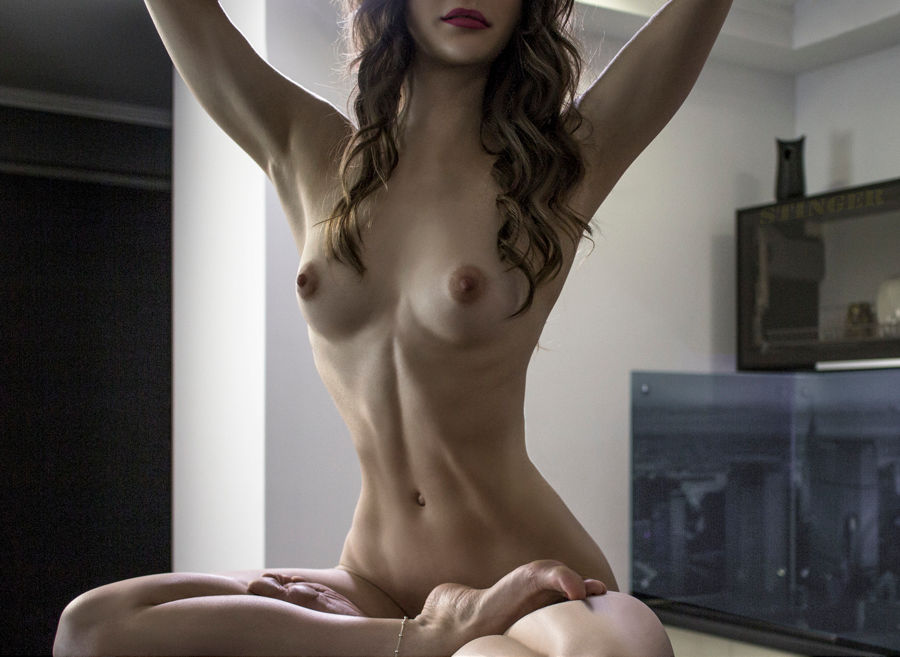
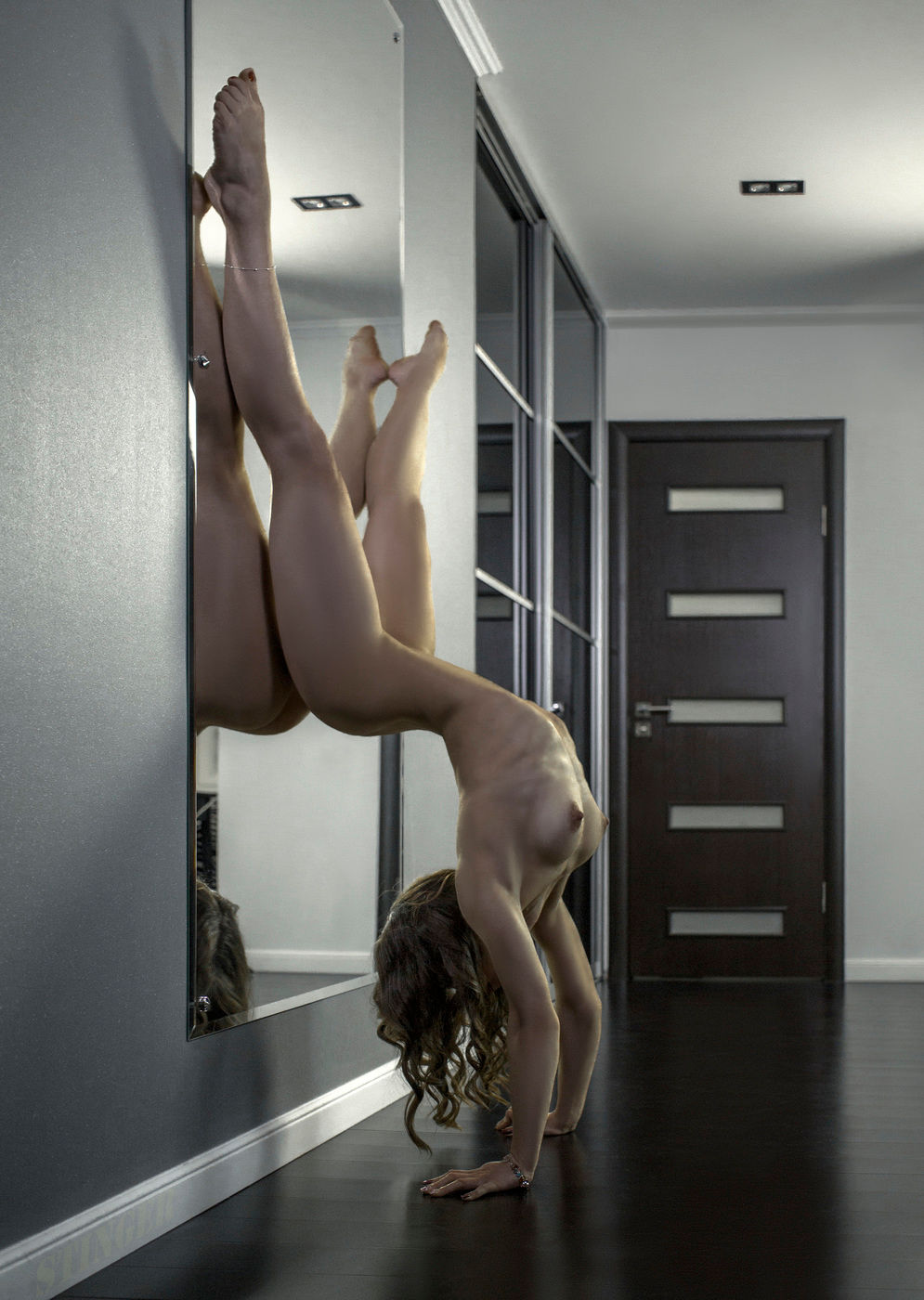
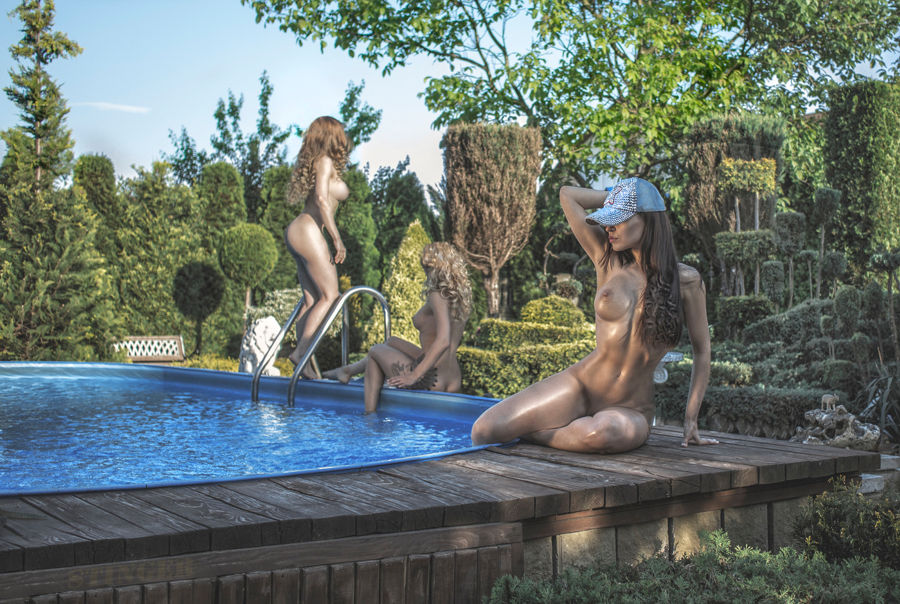
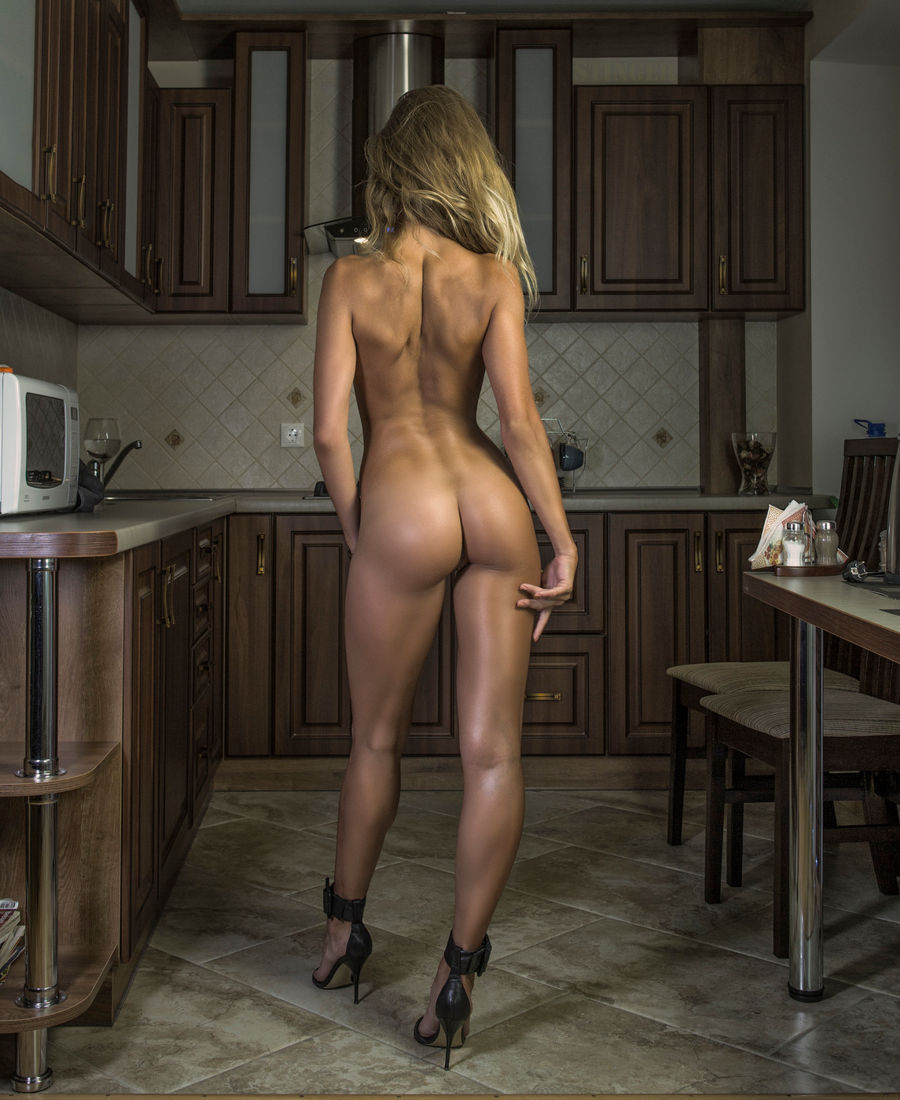
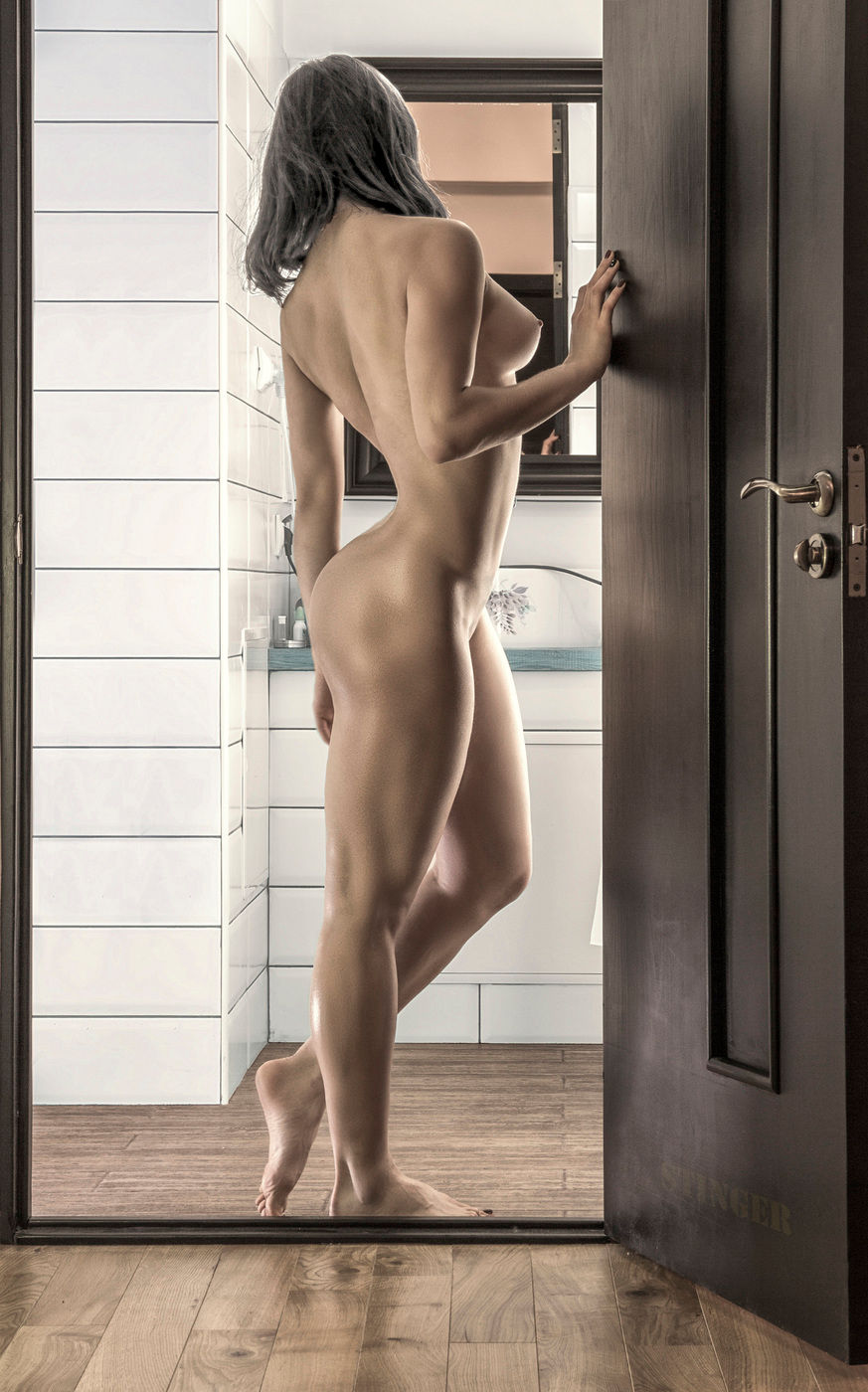
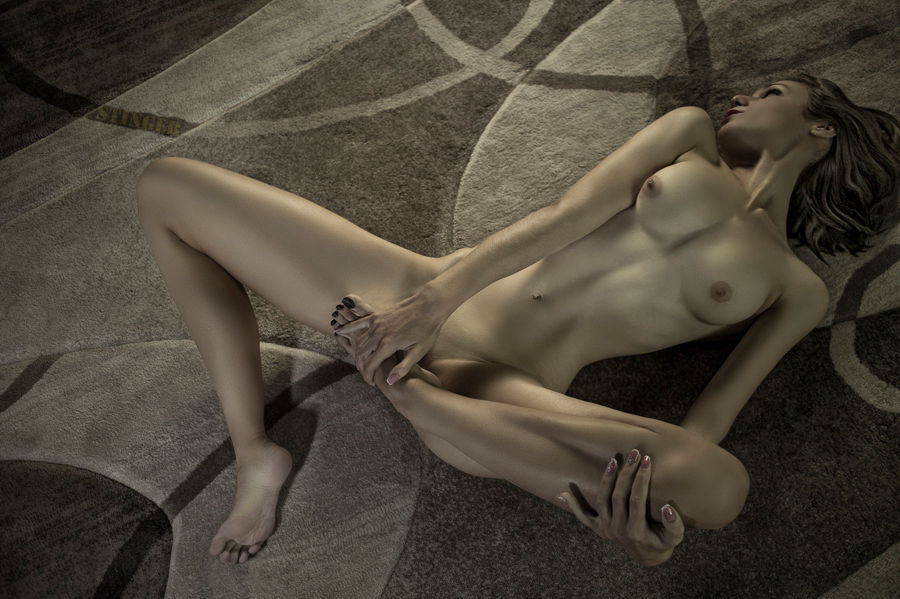
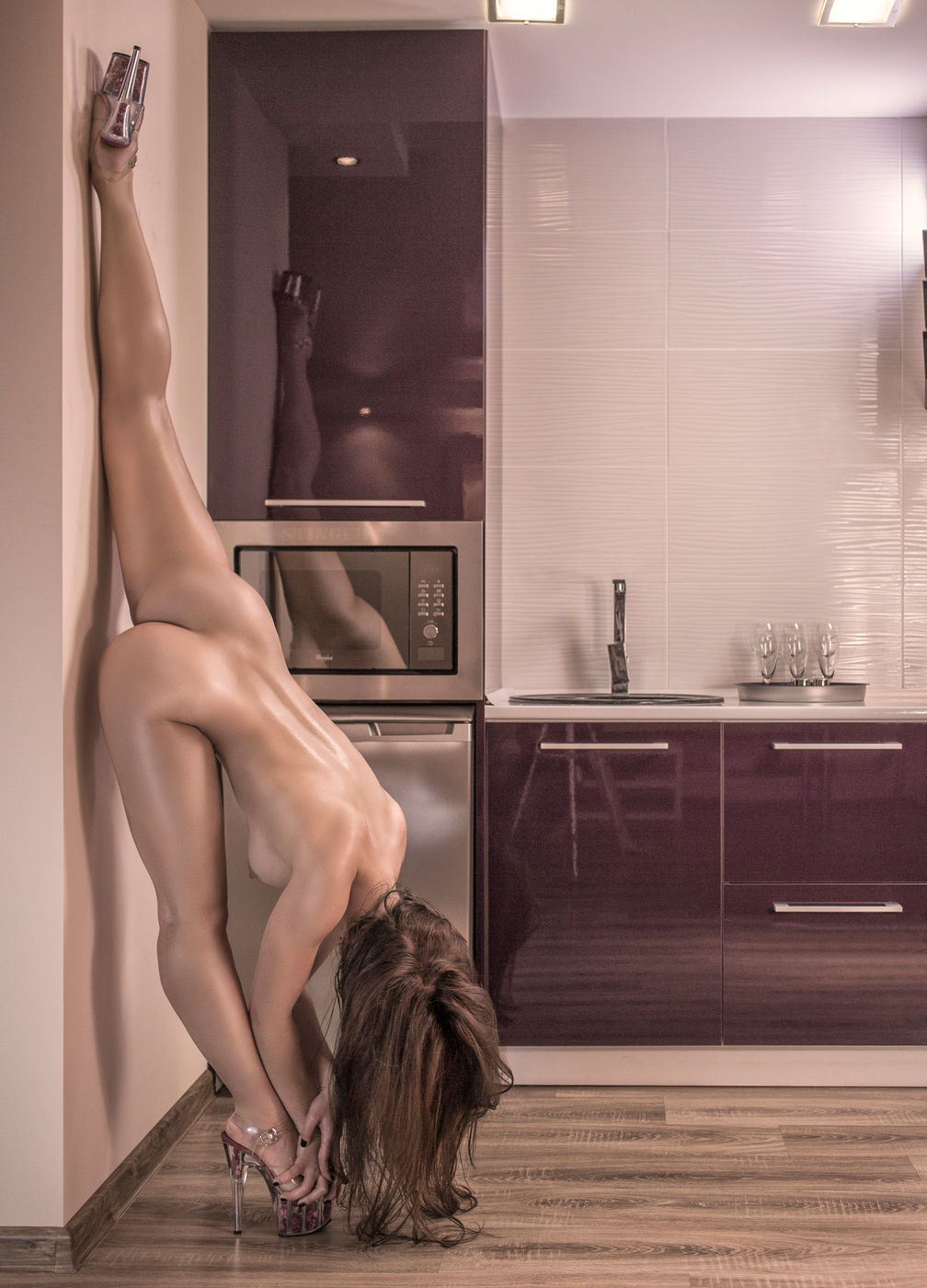



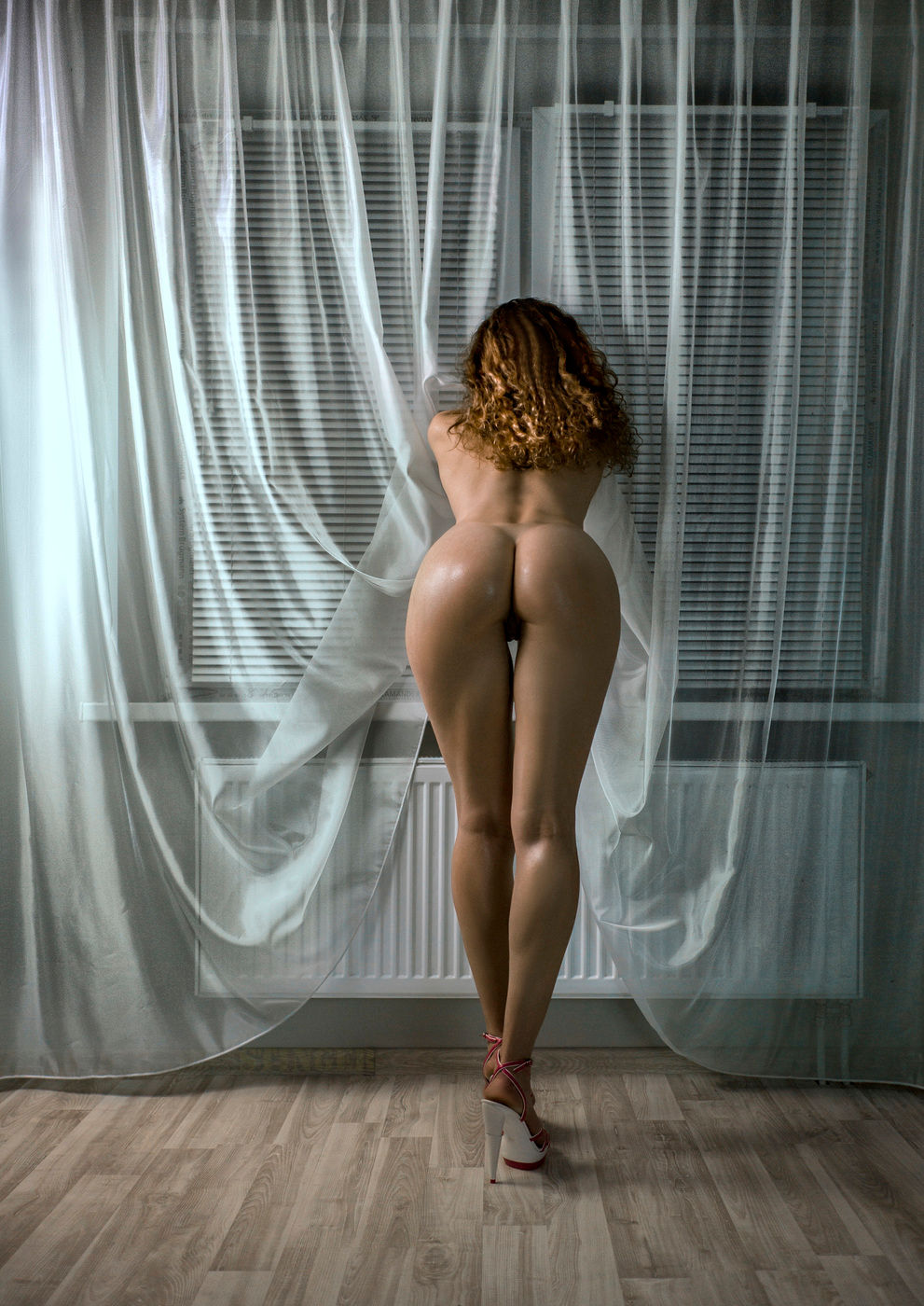

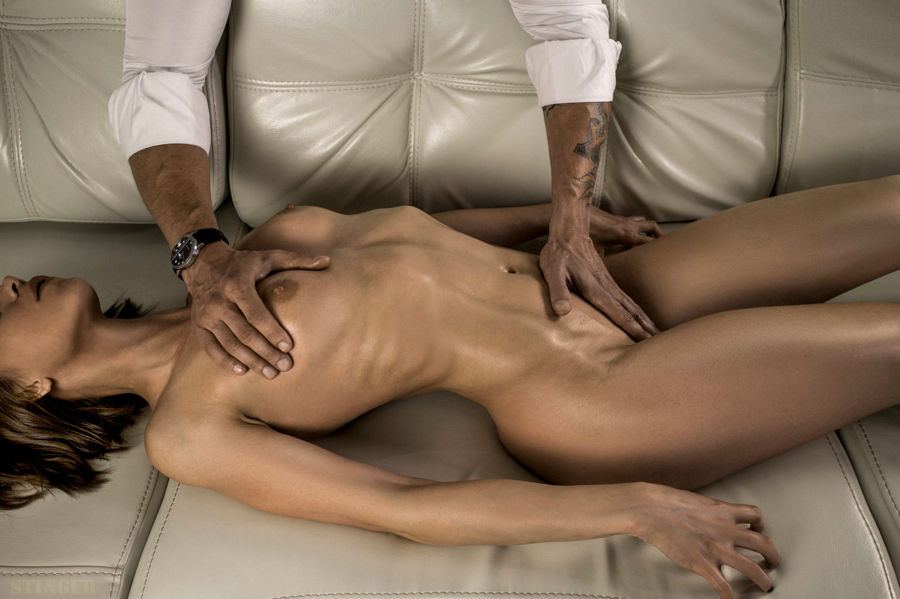
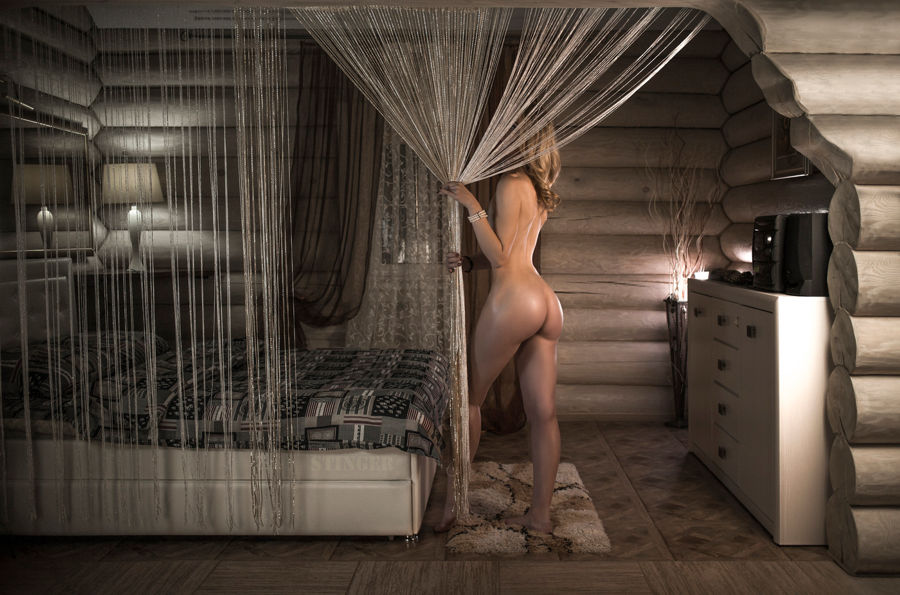
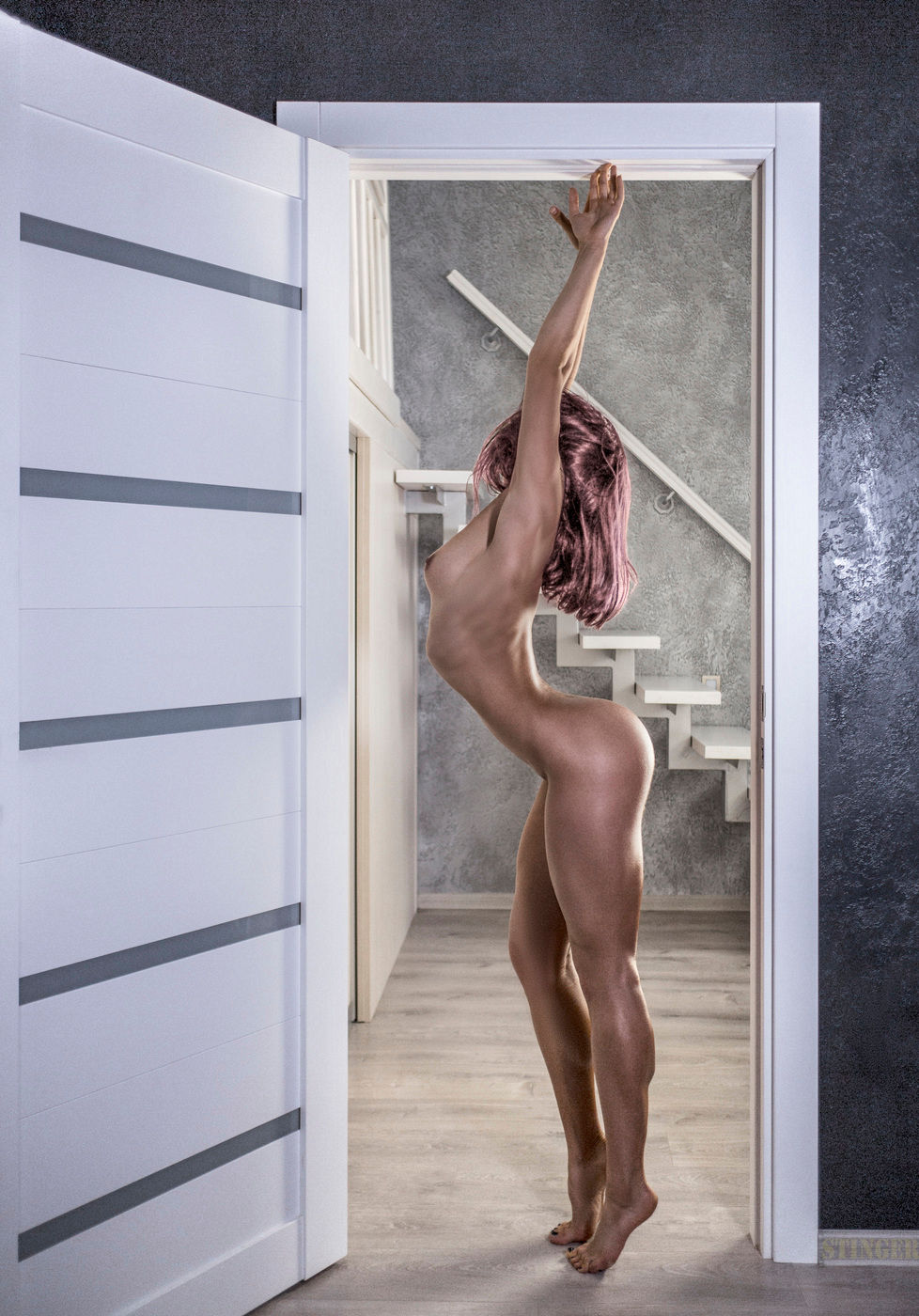
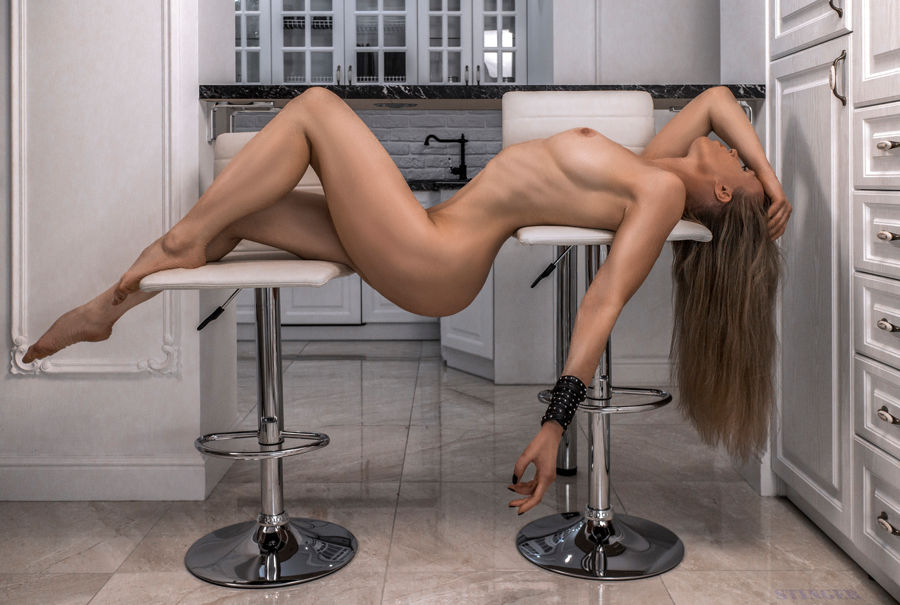
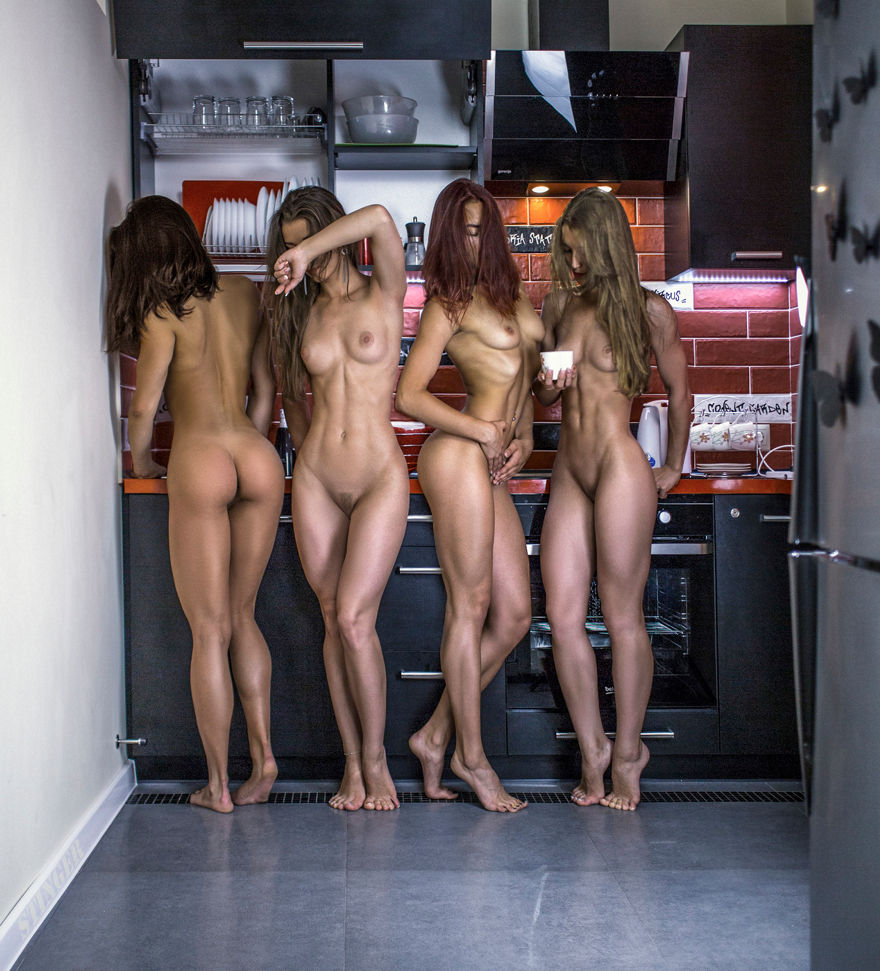
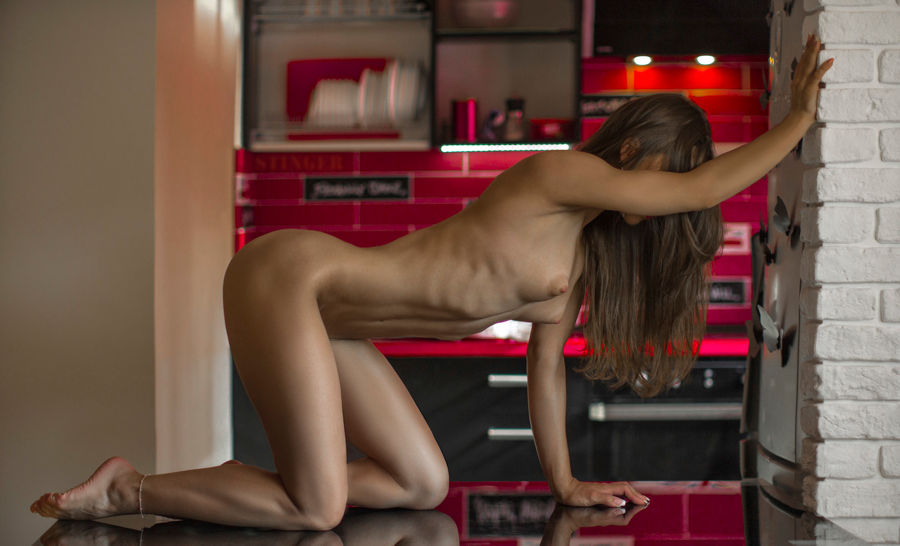
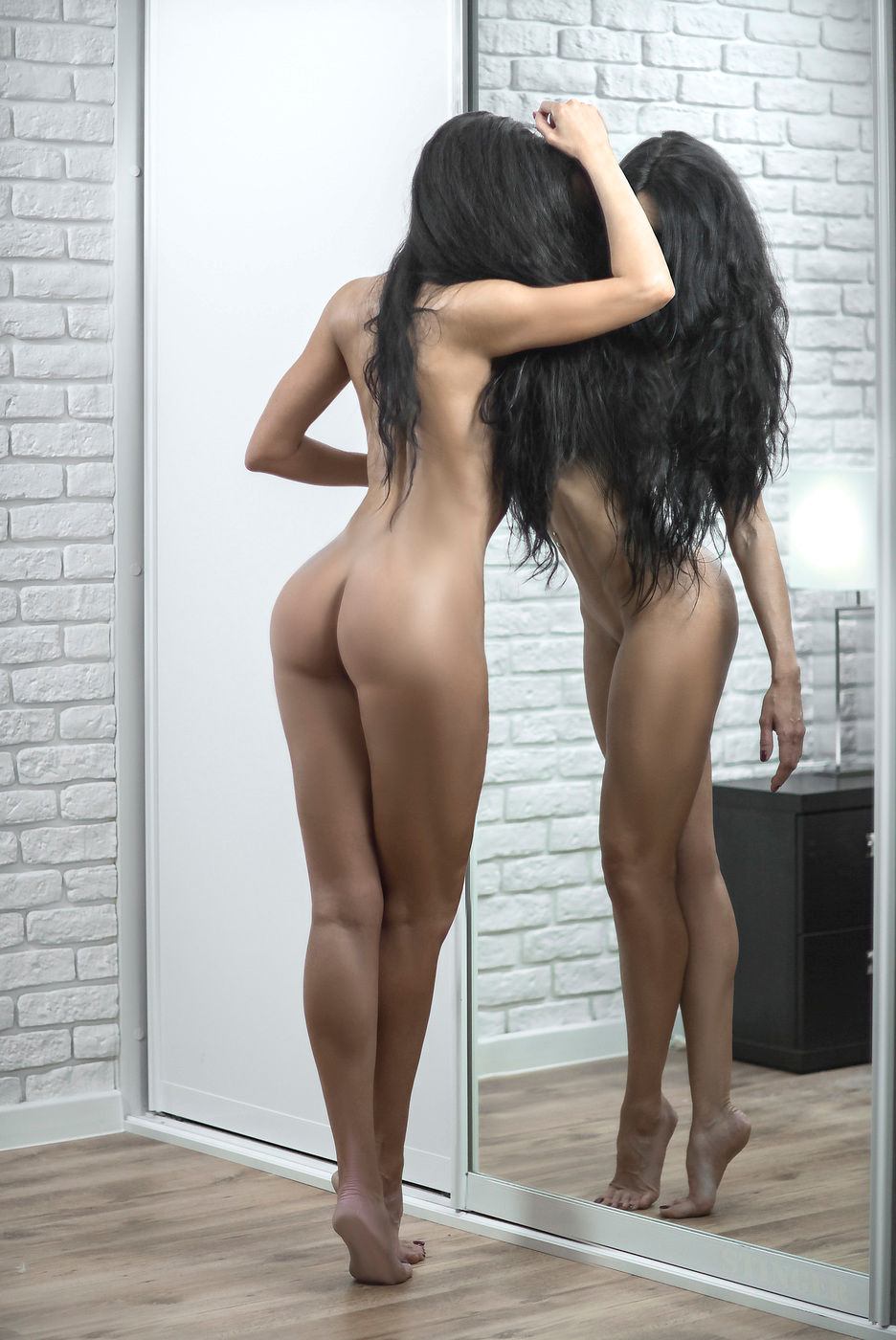
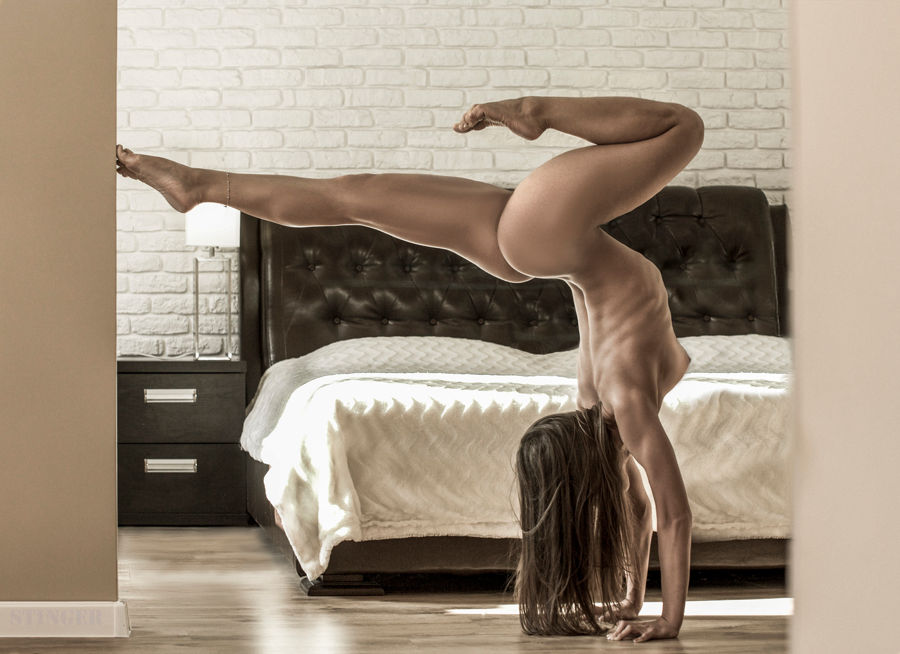
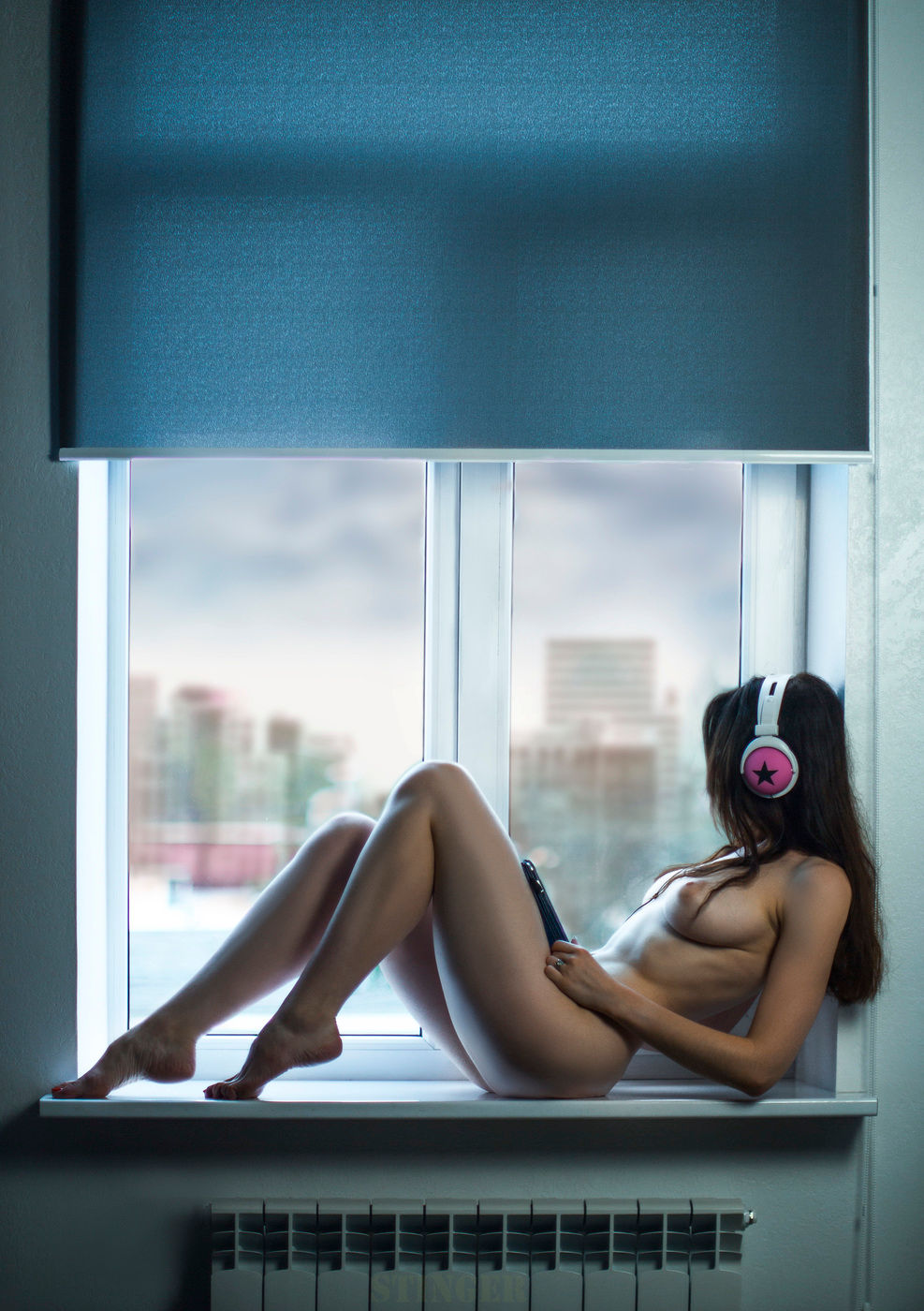
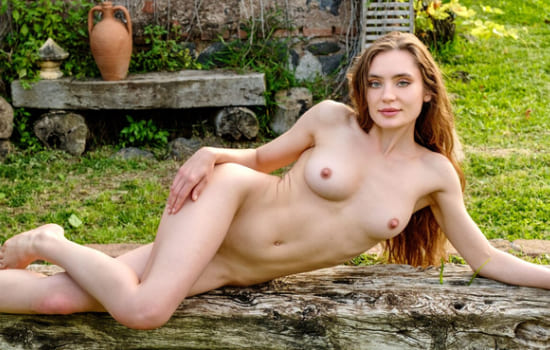
VIKTOR STINGER'S NUDE PHOTOGRAPHY
Almost 15 years active and the last 7 dedicated to find works of erotica photographers have made of me, perhaps not an expert in nude photography, but at least someone who knows the topic, someone who knows what he's saying, someone with an excellent judgement and a wise taste for the esthetic... And now, modesty aside, I wanna show you the erotic work of a Russian photographer named Viktor Stinger. If you see him on Alrincon, it means he's good. Very good.FUCK ANY GIRL WITH AI
# viktorstinger.photosight.ru
# instagram.com/stinger_viktor
# vk.com/viktorstinger
# viktorstinger.tumblr.com
# instagram.com/stinger_viktor
# vk.com/viktorstinger
# viktorstinger.tumblr.com
AMATEUR FLESH: FAYE🌿2026
This is the second post we’ve dedicated to Faye, an adult content creator.
The first was five years ago and, since then, she has continued to grow within the industry and gain more and more followers on her private profiles.
Here is a selection of her most recent content currently circulating online.

# View photos and videos
ExtraBall


THE EROTICISM OF YAROSLAV GALYK
The work of Yaroslav Galyk moves between portraiture and artistic nude photography, with a particular focus on the beauty, shapes, and plasticity of the human body.
His photographs play with light, poses, and composition to create images where the body becomes the main visual element, always seeking that balance between elegance, sensuality, and artistic expression.
Rather than simply showing, his work aims to suggest and convey, allowing the forms, the gazes, and the composition itself to ultimately tell the story behind each photograph.

# View photographs
ExtraBall
Good morning.
 instagram.com/ivolonkina
ExtraBall2




 CamBB.xxx
We find the best live porn cams across many different cam sites like Streamate, Chaturbate, Cam4 and Stripchat.
 ChatSex.xxx
With Chat Sex you get free sex cams featuring nude cam girls you can chat with for free.

FEATURED MODEL
ONLYFANS · FREE
Foxy Uzumaki
@foxyuzumaki
Discover her photos, explore her content and access her profile for free.











RECOMMENDED SITES
 Add your site
- Erotic Beauties
- The Nip Slip
- sweetlicious
- Erosberry
- Kanoni Net
- Shocking Porn
- inhumanity
- Totally NSFW
- Silken Girls
Add your site💩 CrazyShit
🤪 eFukt
👉🍑 Top XXX Pictures
Bingo Porno
Best Porn Blog Sites
 Sex Games
MrPornGeek
Hardcore Porn Videos
NSFW.Tools
Sex AI Chat
Porn Game
ShareAnyNudes
Teenager365
Best JAV Models
Hotness
HornyFap











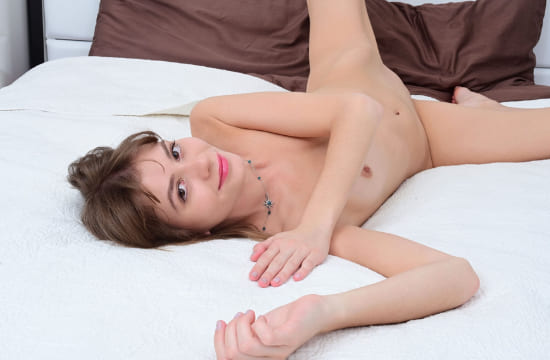


THE EROTICISM OF JOSEPH DEL DUCA. PART 2
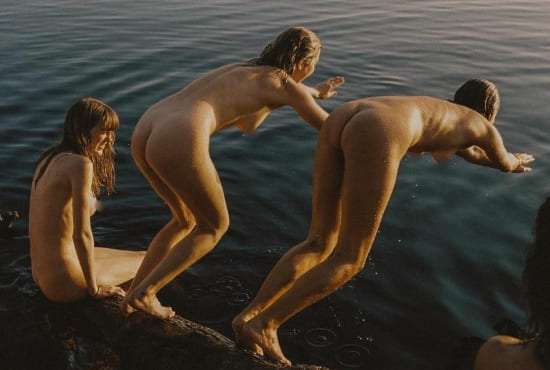
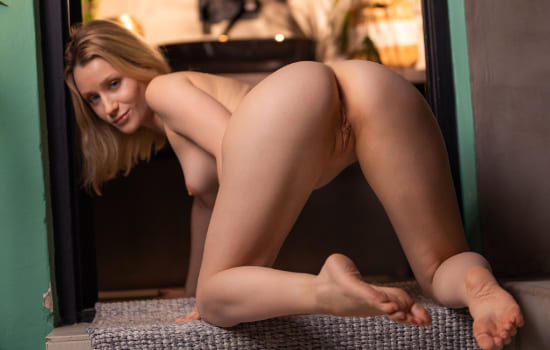
As we mentioned yesterday in our first post dedicated to photographer Joseph Del Duca, we had gathered far too much material to fit it all into a single post.
So today we’re back with a second selection of his work: new images in which he once again embraces natural light, simple compositions, and the sense of intimacy that makes his nude photography feel authentic, intimate, and visually powerful.
The second installment of Joseph Del Duca.

# View the photographs
ExtraBall
When you’re in the middle of a fight but already know you’ll be the one who has to fix everything afterward.
ExtraBall2





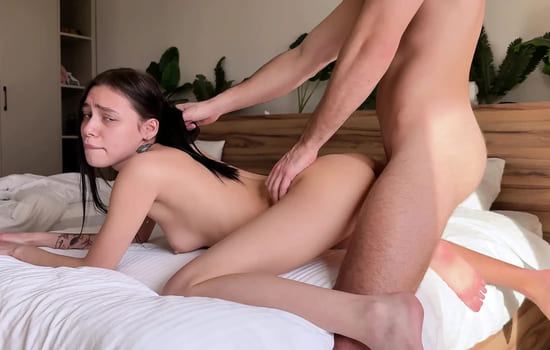

JOSEPH DEL DUCA’S NUDE PHOTOGRAPHY. PART 1
Joseph Del Duca has developed a visual style built around natural light, intimacy, and simplicity. His portrait, glamour, and artistic nude photography stands out for its clean compositions, intimate atmospheres, and authentic portrayal of the human body.
Moving away from the artificiality of traditional glamour photography, his work seeks a more direct and natural kind of beauty, creating images with remarkable visual and emotional power.
Since we’ve gathered quite a lot of his work, we’ve decided to split it into two parts. Today we’re sharing the first selection, and tomorrow we’ll return with the second.

# View the photographs
ExtraBall
Today’s slow-motion clip.
ExtraBall2







Contact
You can tell us whatever you want via email: [email protected]
If you prefer, you can use this contact form:
If you prefer, you can use this contact form:






LEARN HOW TO COOK VOL12
In the world of gastronomy, people often say that we eat with our eyes first. Making something delicious isn’t enough: you also have to think about the colors, arrange the ingredients properly, and present the dish in a way that whets your appetite before you’ve even tasted it.
And that makes perfect sense.
You can prepare exactly the same food in two different ways and make one version look like it came from a restaurant, while the other looks like something you threw together at four in the morning after coming home from a night out.
Presentation matters.
The women in these videos seem to have understood that part of cooking perfectly. We might not know exactly what they’re preparing, which ingredients they’re using, or how long any of it is supposed to stay in the pan, but we have to admit that they’ve managed to keep us focused on the entire process.
Of course, after watching them chop, stir, grate, sauté, and season, you may reach the end without remembering a single thing about the recipe.
But we’re not going to blame you.
Because whenever someone says that we eat with our eyes first, it’s worth remembering that they never specified exactly where we were supposed to look.

# Watch the videos
 You can find much more content like this on our TELEGRAM CHANNEL
 How to unlock adult content on Telegram (Apple, Android, or any device)
If you try to open our Channel and Telegram shows a warning about adult content and won’t let you in, it means the restriction filter is turned on.
Just go to https://web.telegram.org, log in, and open:
Settings → Privacy → Sensitive content
Turn on “Disable filtering” and you’re good to go.
The change syncs automatically with your Telegram app on any device.
ExtraBall


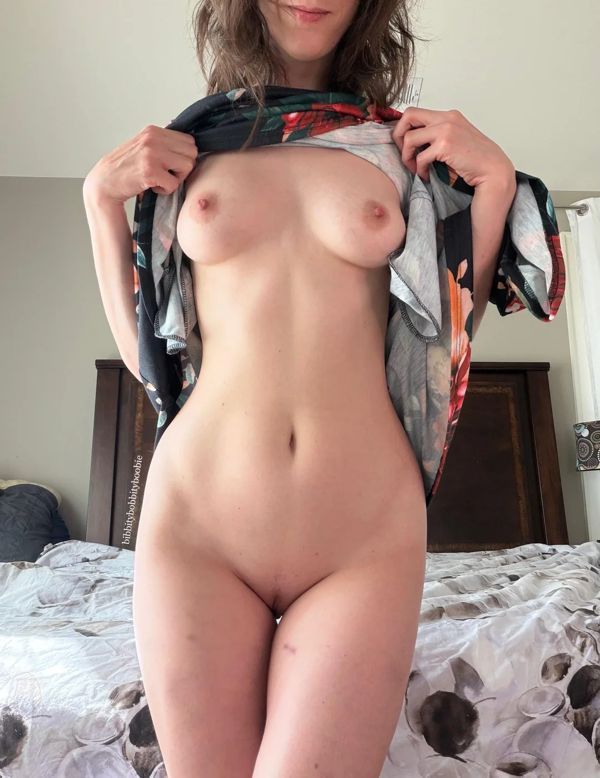
AMATEUR FLESH: BIBBITYBOBBITYBOOBIE🪄
For some women, sharing part of their lives on social media simply isn’t enough. Not because they don’t have much to show, but precisely because censorship prevents them from revealing their full potential.
The woman behind the Reddit profile Bibbitybobbityboobie is one of them. In her bio, she describes herself as a nerdy Southern girl who loves cooking, dogs, dressing up in sexy lingerie, and, most importantly, getting naked on the internet for all of us. A pretty honest description of what you’ll find on her profile.
This is the second post we’ve dedicated to her on ALRNCN. The first was back in 2019 and, seven years later, she’s still just as cheerful and just as eager to share the exhibitionist side that mainstream social platforms won’t allow her to show.
Time passes, platforms change, and censorship gets tighter, but luckily she’s still taking off her clothes with the same enthusiasm.
# View photos and videos
ExtraBall