Eporner HD Sex Porn Discounts Sex Games Porn Games XXX Games Hentai Games PornStar Games 3D Porn Celebrity Sex Videos
Live Sex Free Live Sex Free Sex Games Páginas Porno Nude Celebrities TikTok Porn Sex Cam RoseToy Official Cams Porno AI Porn
Live Sex Free Live Sex Free Sex Games Páginas Porno Nude Celebrities TikTok Porn Sex Cam RoseToy Official Cams Porno AI Porn

Published on 2017/09/08
FUCK ANY GIRL WITH AI











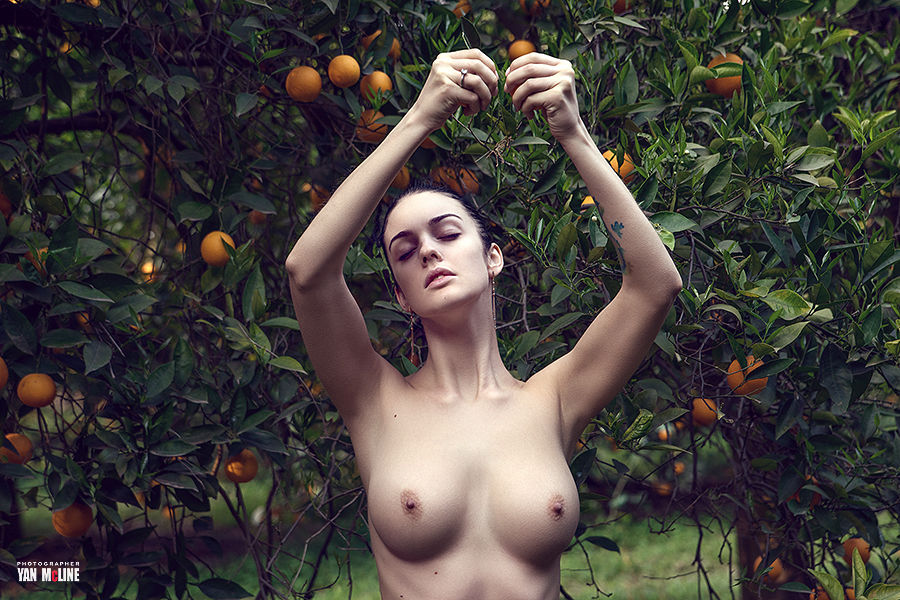



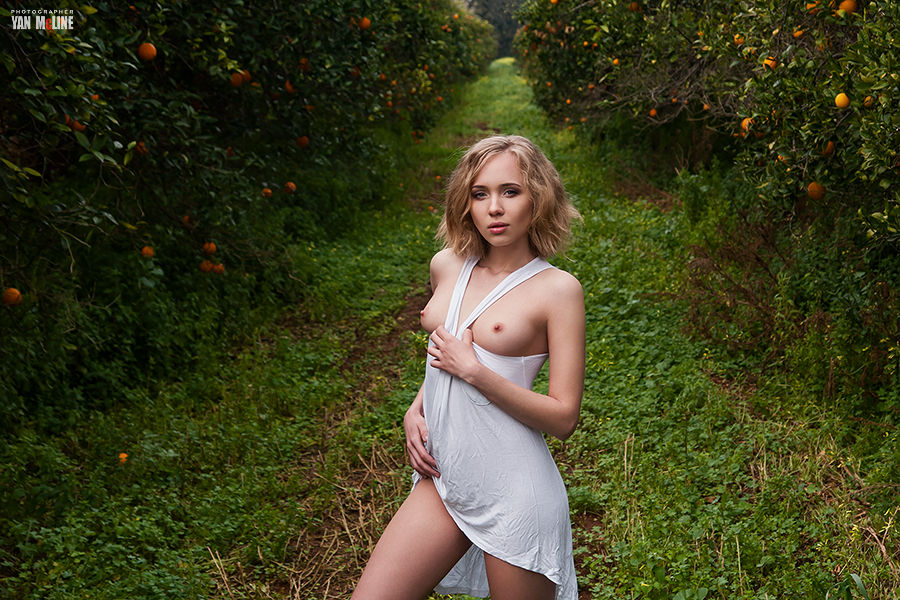
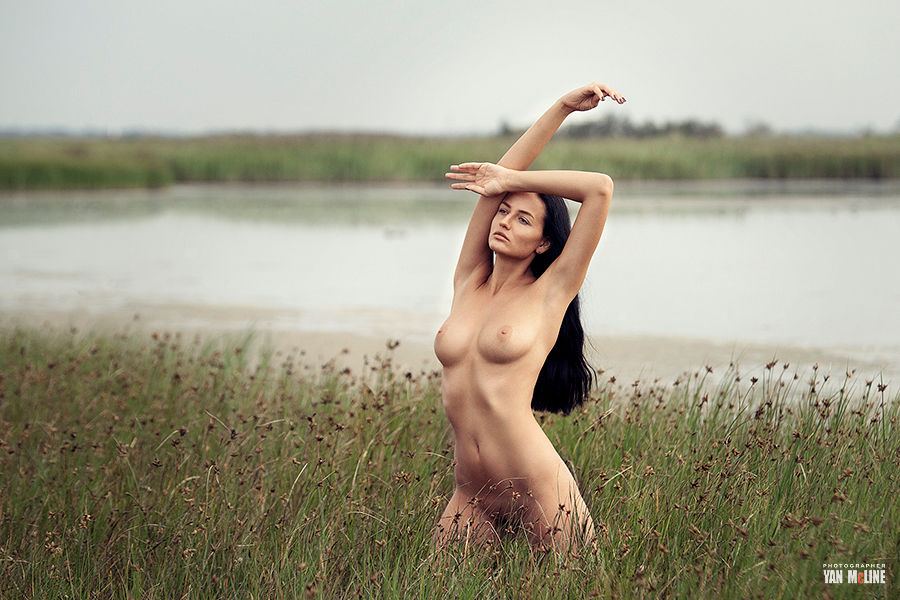


THE PHOTOGRAPHY OF YANMCLINE
YanMcLine (Yana Maklayna) is a professional photographer from Ukraine who loves travelling and taking photos of nude women. It's easy to get hooked on that last thing... I think it must be addictive too... I won't do it because I'm sure I'd become an addict...FUCK ANY GIRL WITH AI
DEREK WOODS 2026
It's been 15 years since we first featured Derek Woods' work here, and after all this time, we're once again stepping into his world through the lens in this fourth installment dedicated to his work. He's one of those photographers worth revisiting every now and then, both to see what he's been up to since the last time we crossed paths with him and to enjoy his distinctive approach to artistic nude and contemporary erotic photography.

# View photographs
ExtraBall
Shaolin training.
 instagram.com/jessinorsa (AI)
ExtraBall2







ASSES#151 + LINK TO OUR TELEGRAM COMMUNITY
Yesterday, when I shared the April post with you, I thought to myself: "Tomorrow it's time for another installment of the Ass series."
And since I'm a man of my word, here it is: a new selection featuring some of the best asses making the rounds online.
A perfect 10.

# Watch the videos
 You can find much more content like this on our TELEGRAM CHANNEL
 How to unlock adult content on Telegram (Apple, Android, or any device)
If you try to open our Channel and Telegram shows a warning about adult content and won’t let you in, it means the restriction filter is turned on.
Just go to https://web.telegram.org, log in, and open:
Settings → Privacy → Sensitive content
Turn on “Disable filtering” and you’re good to go.
The change syncs automatically with your Telegram app on any device.
ExtraBall








 CamBB.xxx
We find the best live porn cams across many different cam sites like Streamate, Chaturbate, Cam4 and Stripchat.
 ChatSex.xxx
With Chat Sex you get free sex cams featuring nude cam girls you can chat with for free.

FEATURED MODEL
ONLYFANS · FREE
Busty Molly Boop
@honeymoolly
Discover her photos, explore her content and access her profile for free.








RECOMMENDED SITES
 Show all
Add your site
- Phun
- XRares
- Nude Babes
- CrazyShit
- mybigtitsbabes
- Entensity
- Twistedporn
- celeb-stalker.com
- Erotic Beauties
Show all- BoobieBlog
- The Nip Slip
- sweetlicious
- Erosberry
- Kanoni Net
- Shocking Porn
- Silken Girls
- Totally NSFW
- Babes & Bitches
Add your site💩 CrazyShit
🤪 eFukt
👉🍑 Top XXX Pictures
Bingo Porno
Best Porn Blog Sites
 Sex Games
MrPornGeek
Hardcore Porn Videos
NSFW.Tools
Sex AI Chat
Porn Game
ShareAnyNudes
Teenager365
Best JAV Models
Hotness
HornyFap
















LEGGINGS VOL3
The fashion industry sold us leggings as comfortable clothes for working out. For running, training, doing yoga, or going for a walk while pretending that, at some point during the day, you actually intend to set foot in a gym.
But all it takes is a woman with a great ass putting on a pair for all their technical features to immediately become irrelevant.
Because leggings can be stretchy, breathable, thermal, and made using the most advanced technology on the market, but if they hug the body tightly enough, nobody is going to care what the fabric is made of.
They don’t hide anything, they don’t disguise anything, and they don’t leave much to the imagination either. They highlight every curve, slip into all the right places, and turn something as simple as walking, doing a squat, or bending over to pick something up into something worth watching.
And that’s why this series continues. Because new videos keep turning up, and we keep staring at them just as hypnotized as we were the first time. The colors, styles, and women may change, but the effect remains exactly the same.
Volume three. New leggings, new asses, and absolutely no intention of looking away.
Enjoy the videos.

# Watch videos
You can find much more content like this on our TELEGRAM CHANNEL
ExtraBall



AMATEUR FLESH: BIBBITYBOBBITYBOOBIE🪄
For some women, sharing part of their lives on social media simply isn’t enough. Not because they don’t have much to show, but precisely because censorship prevents them from revealing their full potential.
The woman behind the Reddit profile Bibbitybobbityboobie is one of them. In her bio, she describes herself as a nerdy Southern girl who loves cooking, dogs, dressing up in sexy lingerie, and, most importantly, getting naked on the internet for all of us. A pretty honest description of what you’ll find on her profile.
This is the second post we’ve dedicated to her on ALRNCN. The first was back in 2019 and, seven years later, she’s still just as cheerful and just as eager to share the exhibitionist side that mainstream social platforms won’t allow her to show.
Time passes, platforms change, and censorship gets tighter, but luckily she’s still taking off her clothes with the same enthusiasm.

# View photos and videos
ExtraBall








Contact
You can tell us whatever you want via email: [email protected]
If you prefer, you can use this contact form:
If you prefer, you can use this contact form:





STEPHANE LEPINE 2026
We first discovered Stéphane Lépine’s work in late 2014, and more than a decade later, he remains one of those artists whose work is worth revisiting from time to time.
Born in France and currently based in Germany, Stéphane Lépine is a difficult creator to categorize. Painter, illustrator, photographer... his work moves effortlessly between different artistic disciplines, using each one as a different way to express his creativity.

# View photographs
ExtraBall
Activating the Bat-Signal.
ExtraBall2






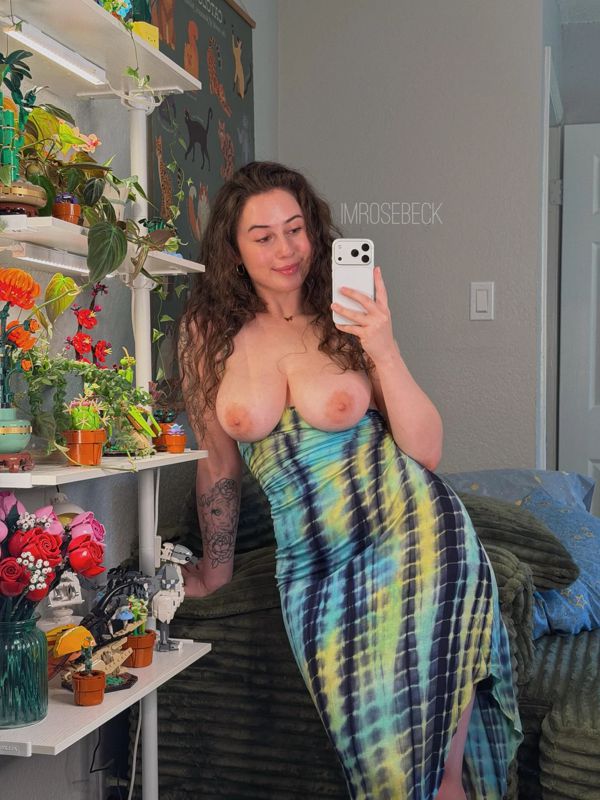
AMATEUR FLESH: ROSE🌹
The Internet hasn’t just changed the way we consume content; it has also blurred the line between professional and amateur quite a bit.
Back in the early 2000s, the difference seemed pretty clear. Professional content was produced with proper resources, equipment and commercial intent. Amateur content, on the other hand, was something people recorded at home with no greater purpose than having fun, experimenting or showing off in front of a camera.
Then social media, video platforms, subscriptions and the possibility of monetizing practically anything came along. Homemade no longer necessarily meant that there wasn’t any money involved. Today, someone can film themselves on their phone in their bedroom, without professional lighting or a production crew, and turn that seemingly improvised content into a pretty profitable business.
The same thing has happened in many other fields. In the past, if you wanted to share your opinions with an audience, you needed to work for a newspaper, radio station or television network. Now, all you need to do is open a channel and start talking from your living room. Musicians can produce songs in their bedrooms, streamers broadcast games from their desks, and anyone can become a food critic after ordering a burger and pointing their phone at it.
The amateur aesthetic has become professional, while professional content has learned how to look amateur. That sense of closeness, the apparent lack of preparation and the feeling that you’re watching something spontaneous create a connection that many traditional productions simply can’t achieve.
That fusion is even more obvious in adult content. The photos may look like they were taken without much planning, and the videos may retain that intimate, homemade feel, but there’s usually a strategy, an audience and a link behind it all that can turn every visit into a potential subscriber.
It’s no longer that easy to tell the difference between someone who gets naked for the thrill of showing off and someone who does it for business. Although, honestly, who cares?

# View photos and videos
ExtraBall