Eporner HD Sex Porn Discounts Sex Games Porn Games XXX Games Hentai Games PornStar Games 3D Porn Celebrity Sex Videos
Live Sex Free Live Sex Free Sex Games Páginas Porno Nude Celebrities TikTok Porn Sex Cam RoseToy Official Cams Porno Crazy Babysitter
Live Sex Free Live Sex Free Sex Games Páginas Porno Nude Celebrities TikTok Porn Sex Cam RoseToy Official Cams Porno Crazy Babysitter

Published on 2026/05/28
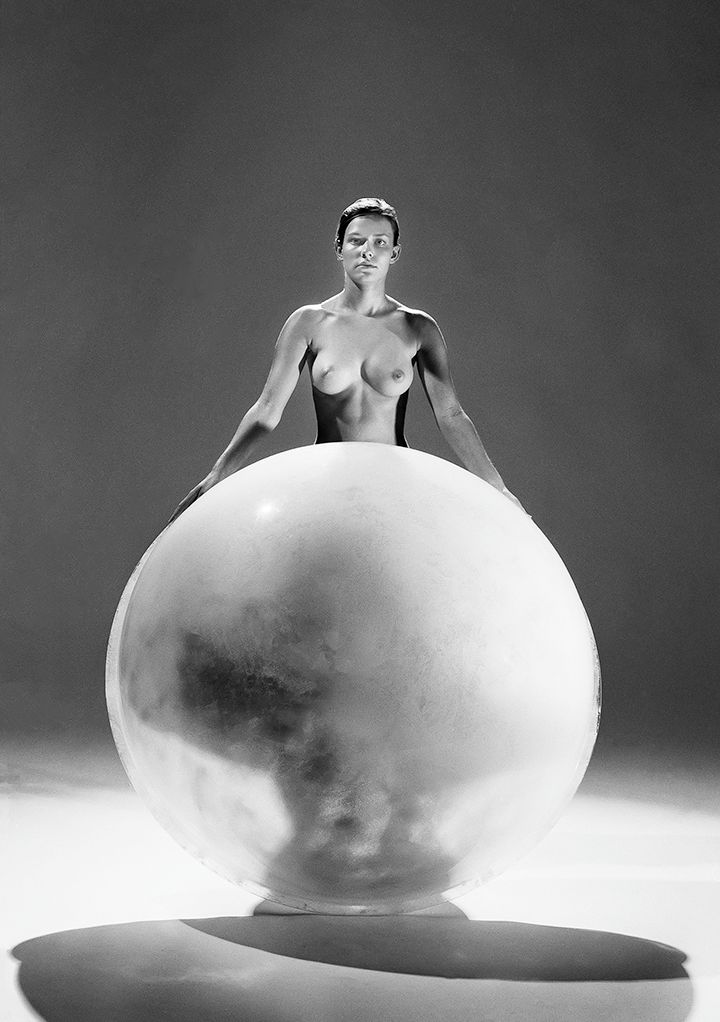
His work is defined by dramatic lighting and carefully crafted sets, heavily influenced by the Bauhaus, Art Nouveau and Art Deco movements. One of the most distinctive aspects of his photography is his use of non-professional models, people from different backgrounds he met in New York who brought a sense of authenticity, naturalness and a much fresher perspective to nude art.


THE EROTICISM OF GUENTER KNOP
Guenter Knop began his career in the late 1970s working in the world of fashion and advertising photography in Germany. In the early 1980s he moved to New York, where he worked as first assistant to Henry Wolf, the renowned art director behind Esquire, Harper’s Bazaar and Show.His work is defined by dramatic lighting and carefully crafted sets, heavily influenced by the Bauhaus, Art Nouveau and Art Deco movements. One of the most distinctive aspects of his photography is his use of non-professional models, people from different backgrounds he met in New York who brought a sense of authenticity, naturalness and a much fresher perspective to nude art.




@mistychains
I know you can’t take away your eyes from me… Latina, sweet lips, hot sexy body, cute and smart, can you spoil me like I deserve?
Worship me like a Goddess, or make me your little brat princess.
Let me see what you are made of… And I will show you TRUE MAYHEM.
I know you can’t take away your eyes from me… Latina, sweet lips, hot sexy body, cute and smart, can you spoil me like I deserve?
Worship me like a Goddess, or make me your little brat princess.
Let me see what you are made of… And I will show you TRUE MAYHEM.

@cosplaykaori
I'm on the mission to subdue every man with the GLORY of my big OPPAIS.
I'm on the mission to subdue every man with the GLORY of my big OPPAIS.





 guenterknop-art.de
ExtraBall
Rock, paper...
ExtraBall2







I'VE SEEN AN ANGEL
They say angels earn their wings by helping people find the right path. She earned hers in record time. I'm just not entirely sure whether she's here to redeem us from our sins... or remind us of a few more.

# Watch the videos
ExtraBall
Leap of faith.
ExtraBall2

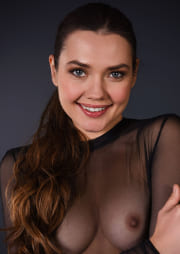


THE INSTAGRAM OF THE DAY: SOPHIACHUGRANIS
♡ sophia ♡
I’m in London

# View photos
You can also follow us on our INSTAGRAM ACCOUNT
ExtraBall
It’s never too late to get interested in the world of fashion.
ExtraBall2






 CamBB.xxx
We find the best live porn cams across many different cam sites like Streamate, Chaturbate, Cam4 and Stripchat.
 ChatSex.xxx
With Chat Sex you get free sex cams featuring nude cam girls you can chat with for free.

@fantasysophiareed
I'd like to introduce myself by saying that my favorite song is "Gimme More" does that ring a bell?
Animal lover, traveler and a hopeless romantic girl with a dark, kinky side. I warn you, it will be very easy to get lost in my cute smile
Follow me on my VIP account @amazingsophia i get really personal and try to be "myself" as much as possible in there
I'd like to introduce myself by saying that my favorite song is "Gimme More" does that ring a bell?
Animal lover, traveler and a hopeless romantic girl with a dark, kinky side. I warn you, it will be very easy to get lost in my cute smile
Follow me on my VIP account @amazingsophia i get really personal and try to be "myself" as much as possible in there










RECOMMENDED SITES
 Add your site
- Twistedporn
- BoobieBlog
- Erotic Beauties
- celeb-stalker.com
- Kanoni Net
- Shocking Porn
- Candid Teens
- Babes & Bitches
- Totally NSFW
Add your site💩 CrazyShit
🤪 eFukt
👉🍑 Top XXX Pictures
Bingo Porno
Best Porn Blog Sites
 Sex Games
MrPornGeek
Hardcore Porn Videos
NSFW.Tools
Sex AI Chat
Porn Game
ShareAnyNudes
Teenager365
Best JAV Models
Hotness
HornyFap














THE PHOTOGRAPHY OF EYMARD. PART ONE
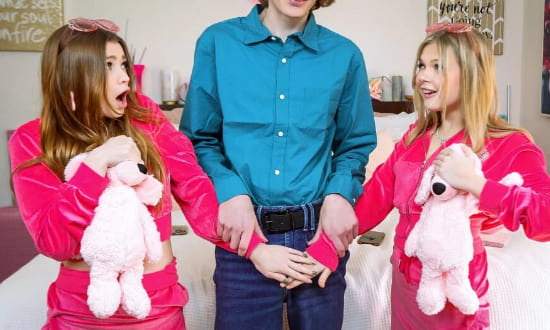
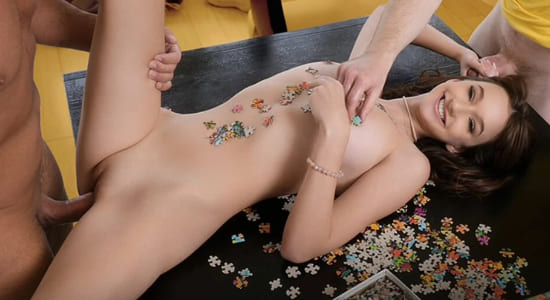
Baptiste Eymard, better known online as MonsieurJinggle and also associated with the name ArayonAI, is a French photographer and content creator who, in recent years, has also embraced AI-generated imagery as part of his creative work.
Every one of his images is born from the meeting of light, emotion, and imagination. His work blends artistic sensitivity with visual storytelling to create evocative scenes where beauty is expressed with authenticity, elegance, and depth.
This is the first of two posts dedicated to his work. The second one will be published on Monday. As I was browsing through his portfolio, I realized I'd already saved dozens of his photos. His collection is so extensive and so beautiful that it would have been a real shame not to share more of it.
# View photos
ExtraBall
Secret message.
ExtraBall2









AMATEUR MEAT: PETITENUDIST413
petitenudist413 enjoys getting naked because she likes showing off her body and being admired. And honestly, there's nothing unusual about that. Throughout history, physical attraction and the desire to be seen as attractive have always been part of human nature. If you strip away career ambitions, money, and social status, many of our deepest drives still revolve around affection, attraction, and reproduction.
From an evolutionary perspective, showcasing your best qualities to attract potential partners is a behavior found in countless species, including our own. Everyone chooses a different way to do it: some rely on their personality, others on their achievements, and some use their physical appearance. In petitenudist413's case, she chooses to share her body because she enjoys doing it and because she knows there are plenty of people who enjoy looking.
Social norms, beliefs, and taboos evolve over time and vary from one culture to another. What remains constant is that we're still creatures driven by instinct, desire, and a strong sexual nature. No matter how much we try to dress it up, sex continues to play a major role in the lives of most people.

# View photos and video
ExtraBall








Contact
You can tell us whatever you want via email: [email protected]
If you prefer, you can use this contact form:
If you prefer, you can use this contact form:



WE'VE BEEN ADMIRING BEAUTY THE SAME WAY WE DID 2,000 YEARS AGO
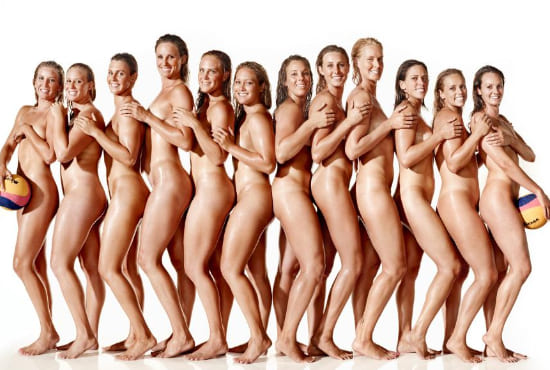
There's something fascinating about Artificial Intelligence. It doesn't just imagine the future; it can also invent a past. A past that never existed, yet somehow feels strangely believable. Places that were never photographed. People who never walked the Earth. Scenes that no historian could ever place on a map, and yet our brains accept them for a few seconds as if they belonged to some forgotten corner of the Mediterranean two thousand years ago.

It's like a time machine built out of pixels. It doesn't take us back to the past—it takes us back to the idea we have of the past. It blends historical references, imagination, and a touch of nostalgia to create memories of something that never actually happened. We know it's fiction, yet a part of us willingly chooses to believe it.
Maybe that's because, even though the scenery changes, some things never do. Empires have risen and fallen. Religions, languages, borders, and even the way we understand the world have changed. But our fascination with beauty has been with us ever since humans first began leaving traces of their existence.

The Egyptians carved it into stone. The Greeks sculpted it in marble in search of impossible perfection. The Romans covered the walls of their villas with frescoes. Painters, sculptors, and poets throughout history have all tried to capture something that can never truly be frozen in time: a glance, a smile, or curves capable of making someone stop and look, even when their mind was somewhere else.
We like to think we've changed a lot, but we're probably still wired to respond to the same things our ancestors did. Technology has evolved at an incredible pace. We've gone from chisels to cameras, from paintings to video, and now from photography to Artificial Intelligence. The tools change, but not what they're trying to capture.
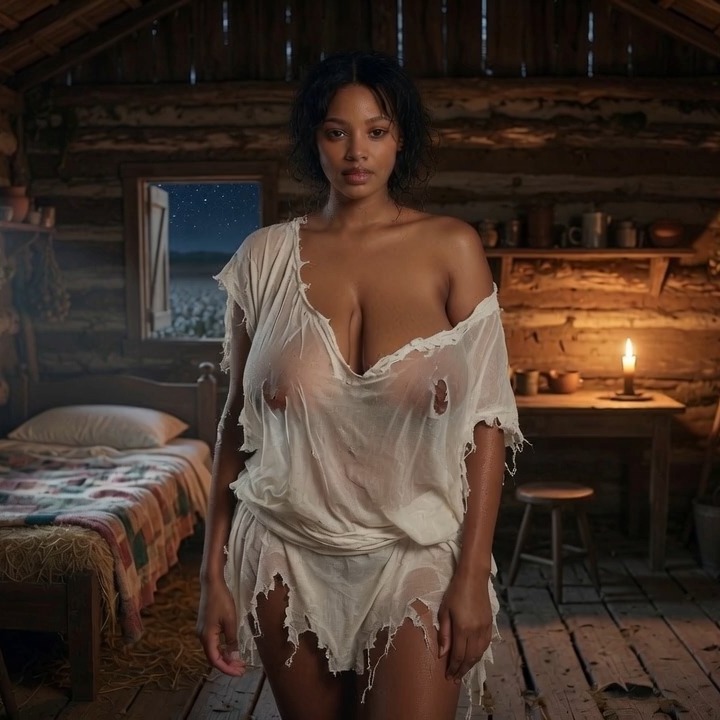
Maybe that's why these images work so well. Not because they're trying to recreate history with perfect accuracy, but because they evoke an era we all imagine in a similar way. A simpler world, closer to nature, where clothing was little more than a piece of fabric, light came from the sun or a candle, and beauty had exactly the same power it has today.
Two thousand years from now, someone might come across these AI-generated images and look at them the same way we look at a classical statue or a Roman fresco. Not because they'll think they were real, but because they'll instantly understand what we were trying to preserve. Civilizations rise and fall, tools evolve, and technology keeps moving forward... but there are some things that never stop capturing human attention.

# Watch the videos
ExtraBall
My new tattoo.
ExtraBall2






SPYING ON THE NEIGHBOR
david
Let's admit it: we've all looked out a window a little longer than we probably should at some point.
You're at home, you glance over at the building across the street and notice someone with the lights on and the curtains open. And even though you weren't looking for anything in particular, suddenly you're curious about what's going on in there.
Part of the explanation is pretty simple: we're social animals and our brains are naturally curious about other people. We're interested in seeing what they do, how they live, how they interact and, along the way, comparing their lives with our own.
But there's another ingredient that makes it particularly appealing: we're seeing something that wasn't prepared for us to see.
On social media, practically everything is selected, staged and often even fake. A neighbor's window offers the exact opposite: little glimpses of everyday life without filters or staging.
It's basically unscripted television. And precisely because you don't know what's going to happen next, even something completely ordinary can keep you watching for a few extra seconds.
Of course, there's a difference between that casual glance we've all taken at some point and turning your neighbor's life into your own personal Netflix series. Curiosity is human; deliberately invading someone's privacy is another story altogether.
And if the neighbor happens to appear naked...
Well, let's just say scientific curiosity increases considerably.

# Watch the videos
ExtraBall
Floaties.
ExtraBall2