Eporner HD Sex Porn Discounts Sex Games Porn Games XXX Games Hentai Games PornStar Games 3D Porn Celebrity Sex Videos
Live Sex Free Live Sex Free Sex Games Páginas Porno Nude Celebrities TikTok Porn Sex Cam RoseToy Official Cams Porno AI Porn
Live Sex Free Live Sex Free Sex Games Páginas Porno Nude Celebrities TikTok Porn Sex Cam RoseToy Official Cams Porno AI Porn

Published on 2025/04/03
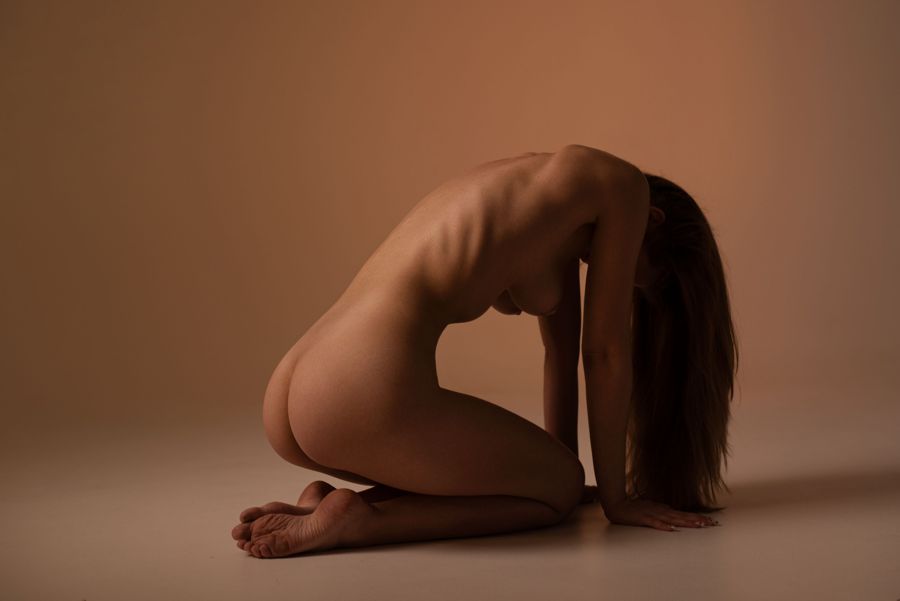
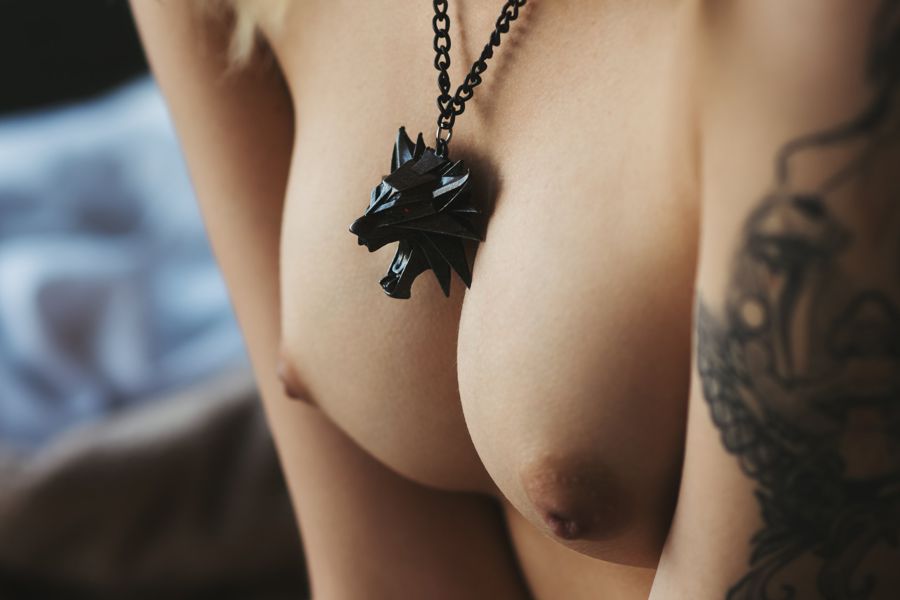
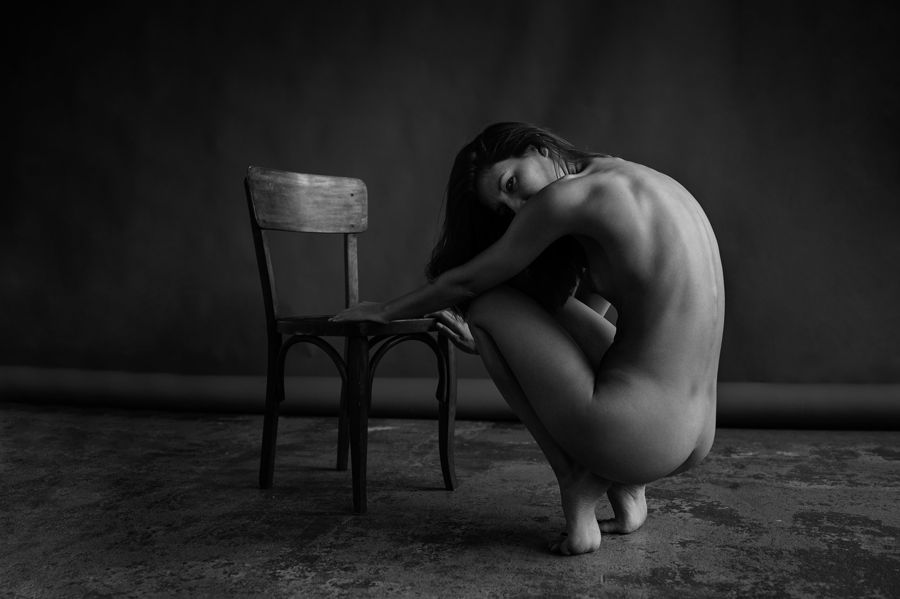
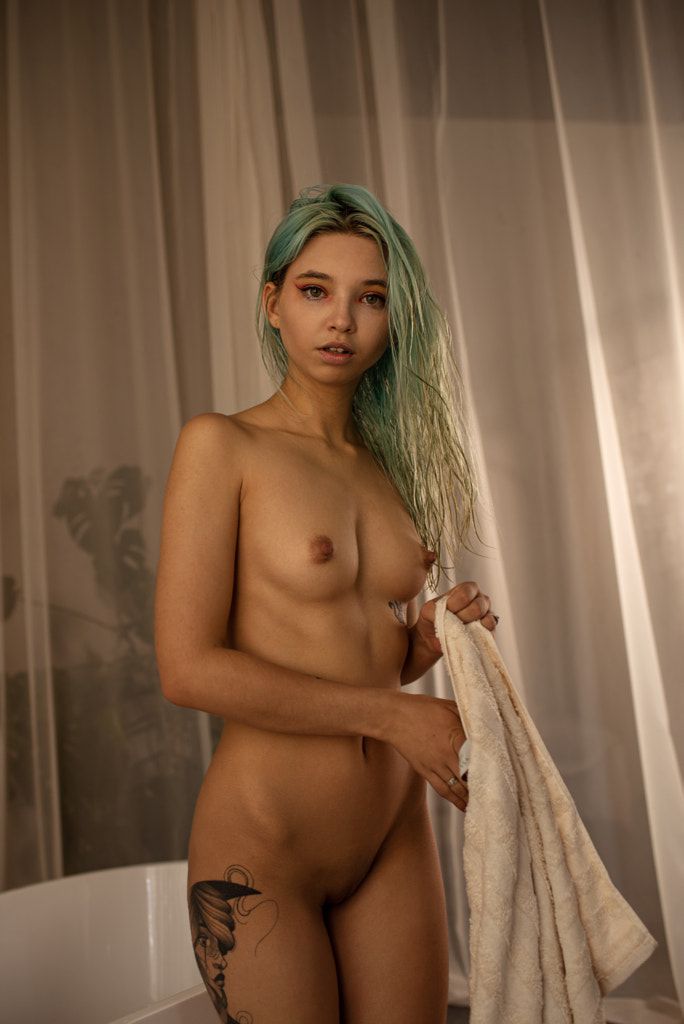
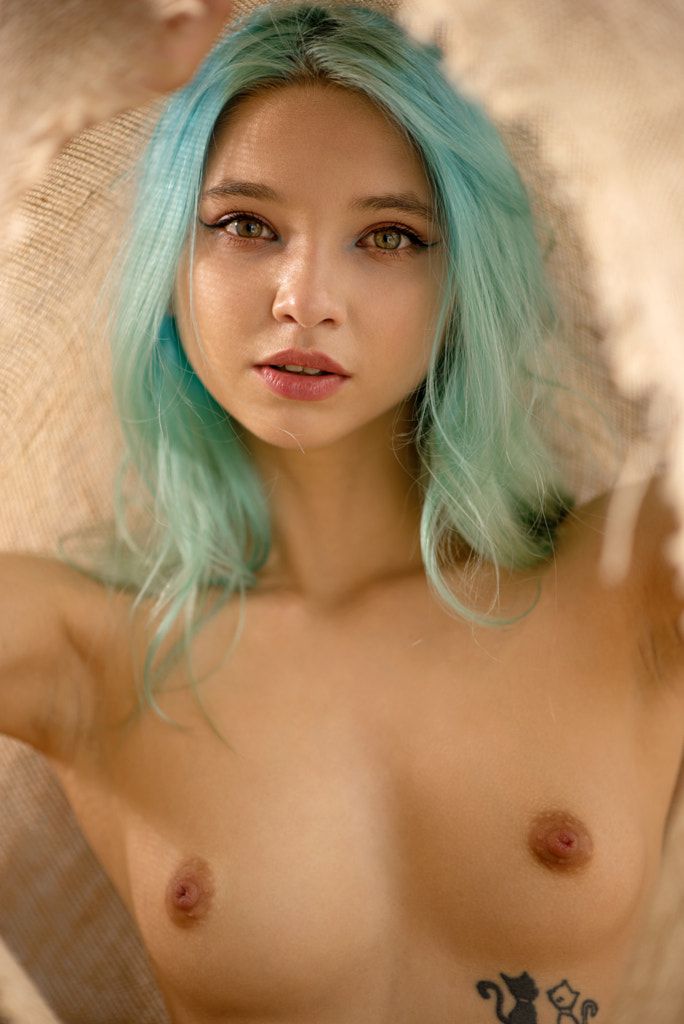
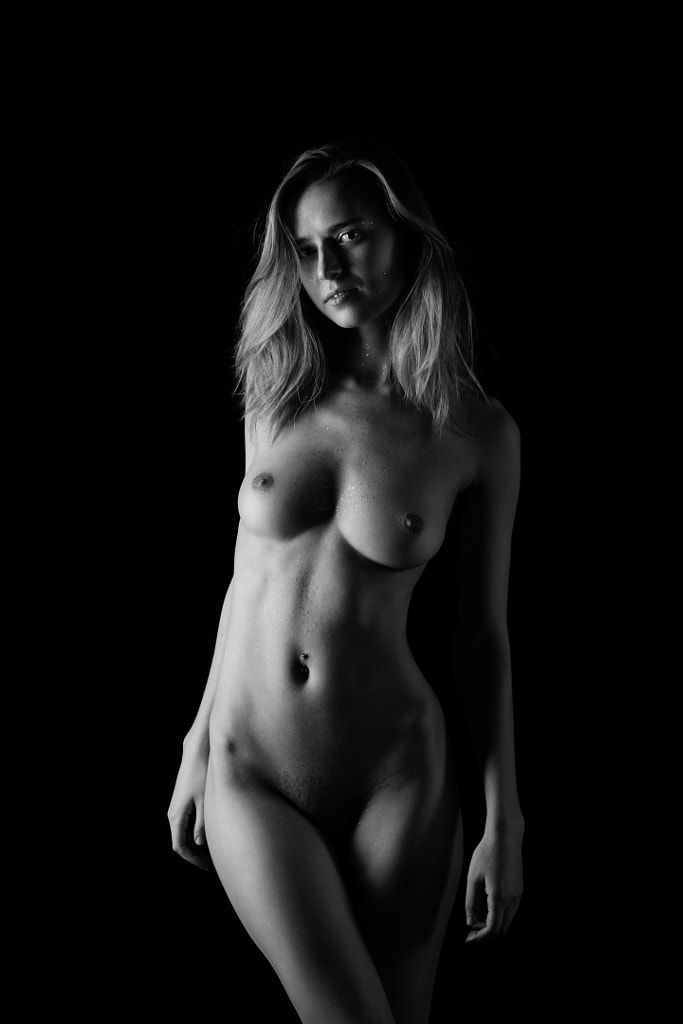
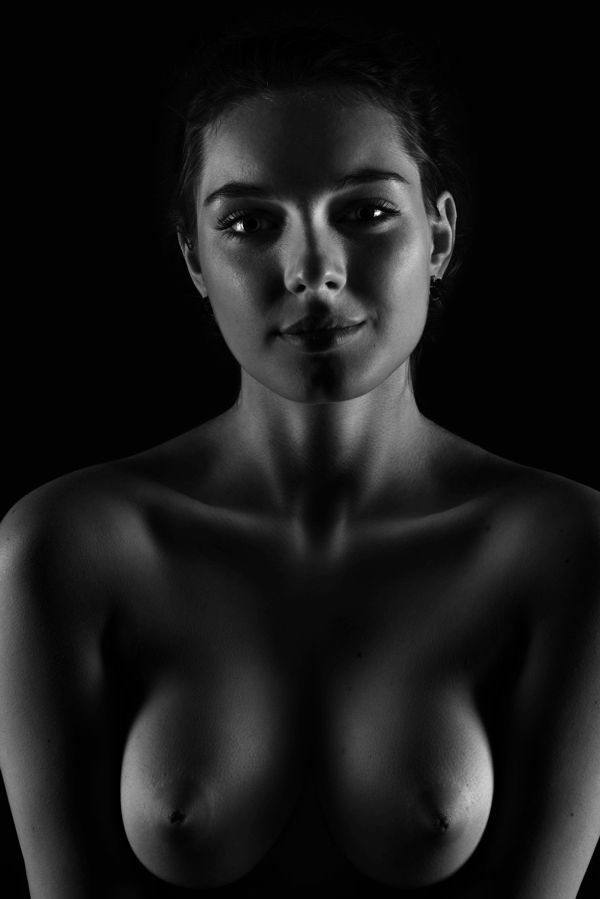
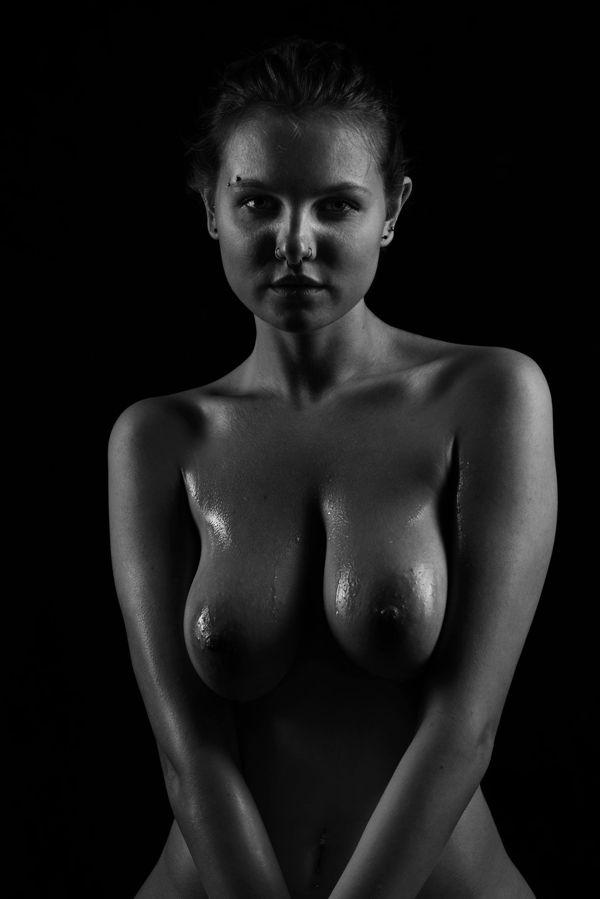
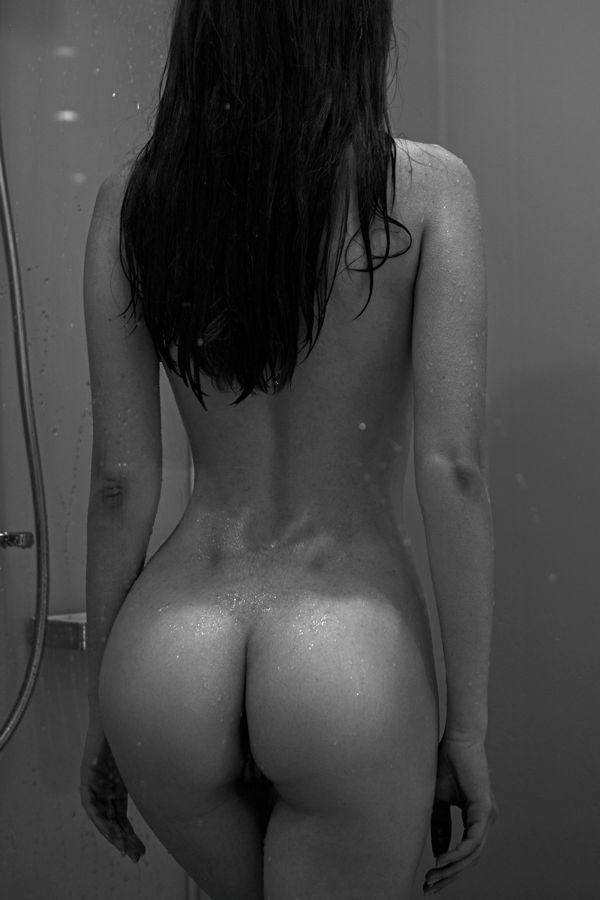
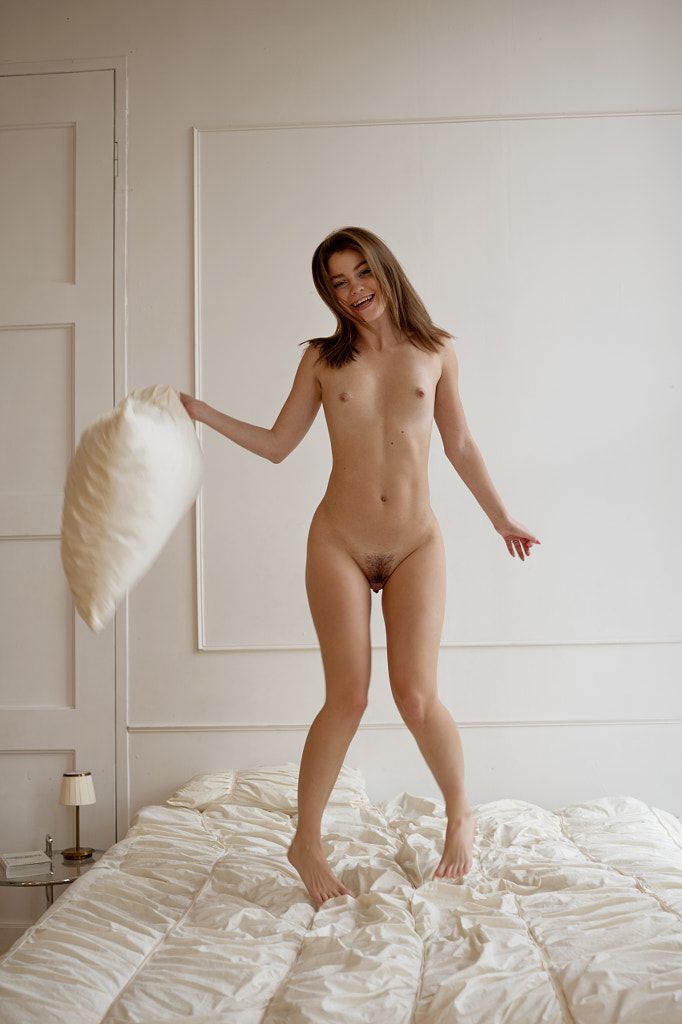
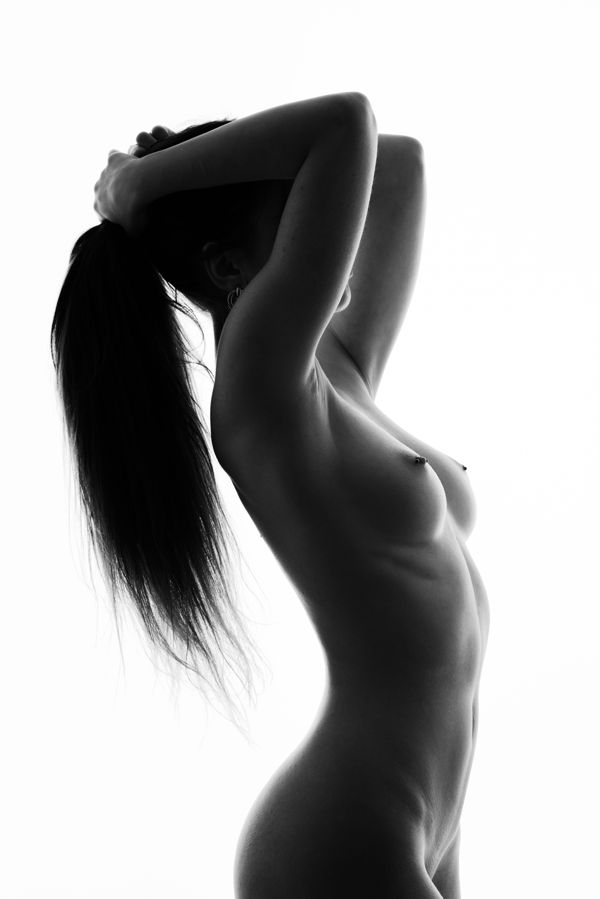
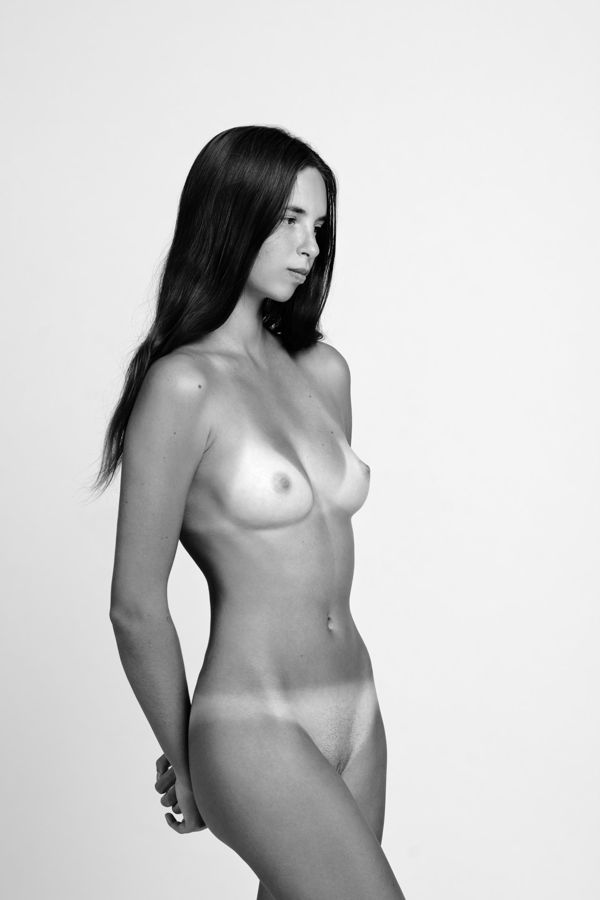
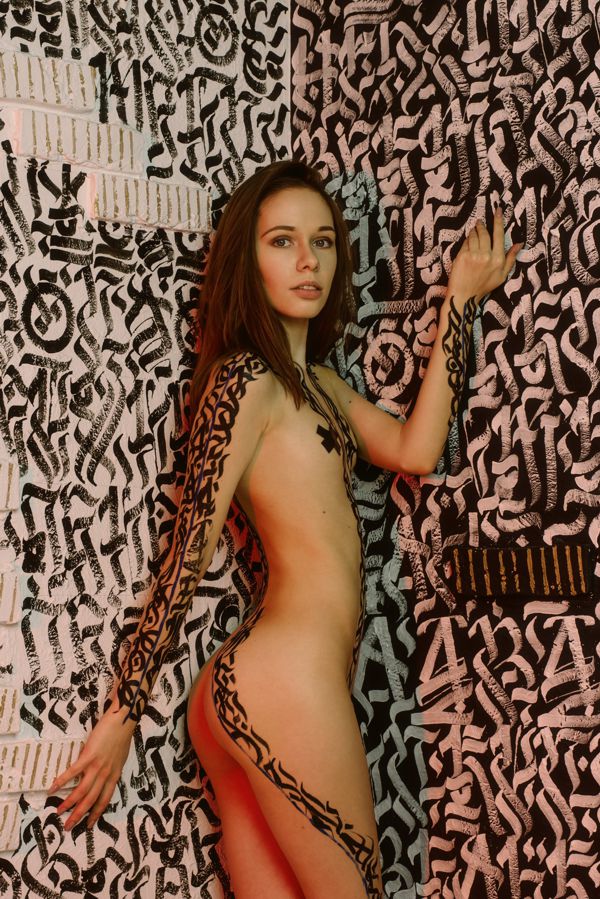
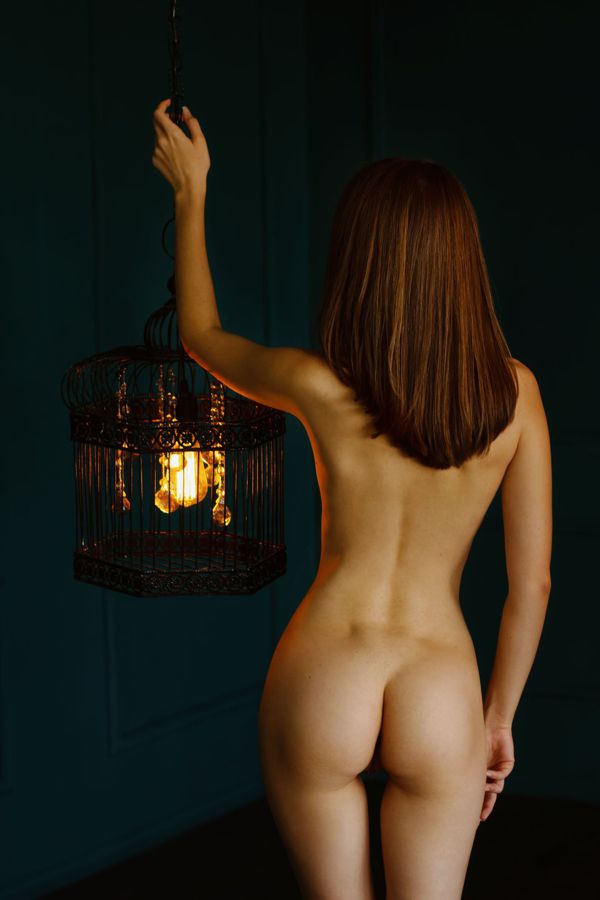
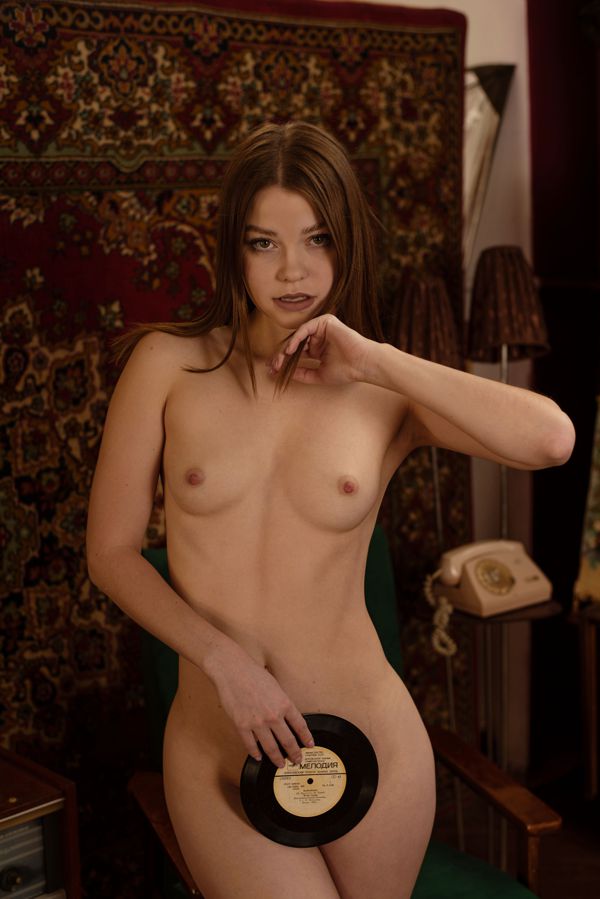
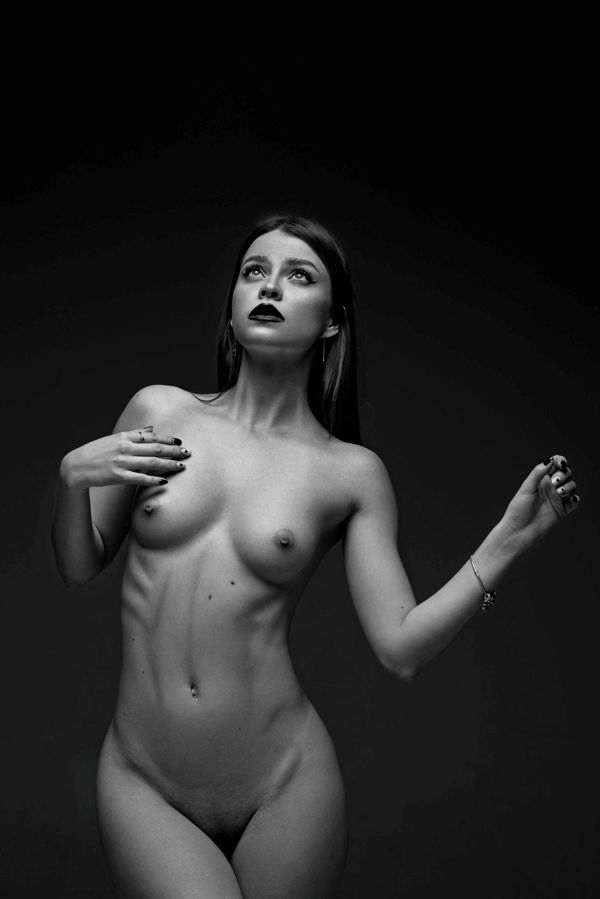
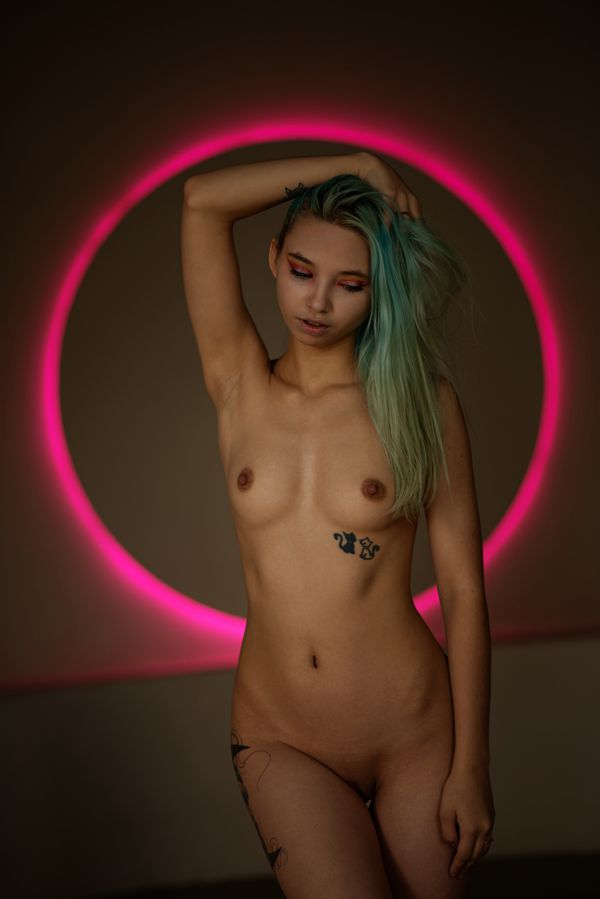
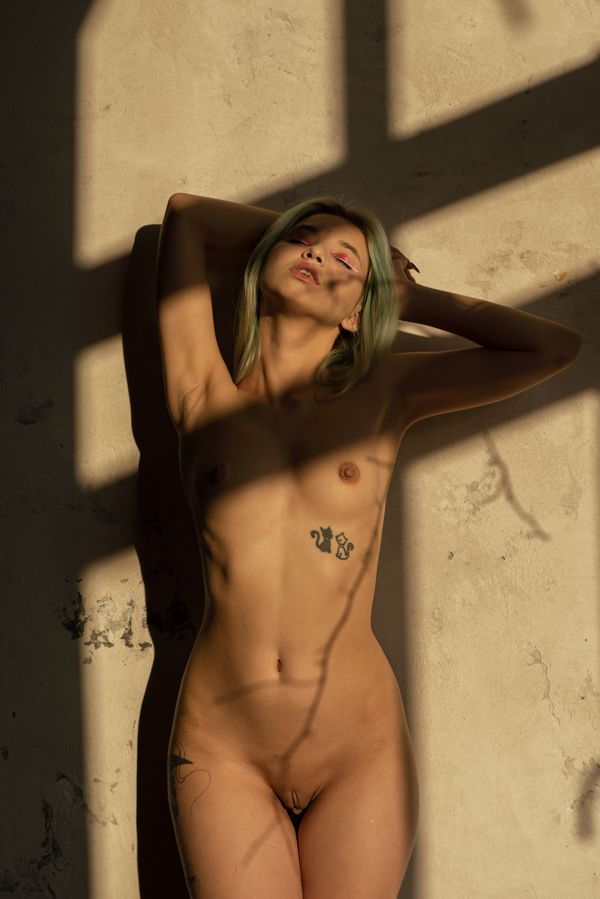
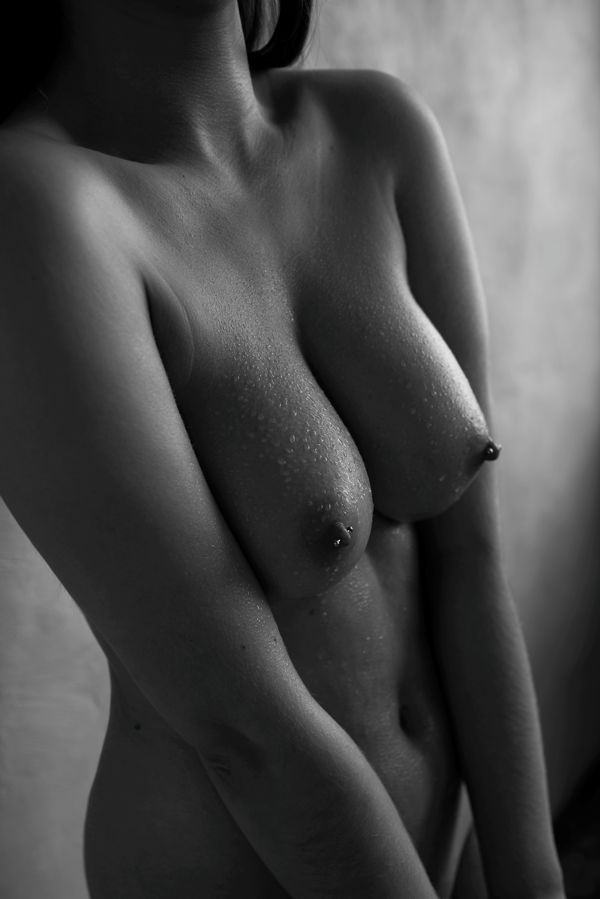
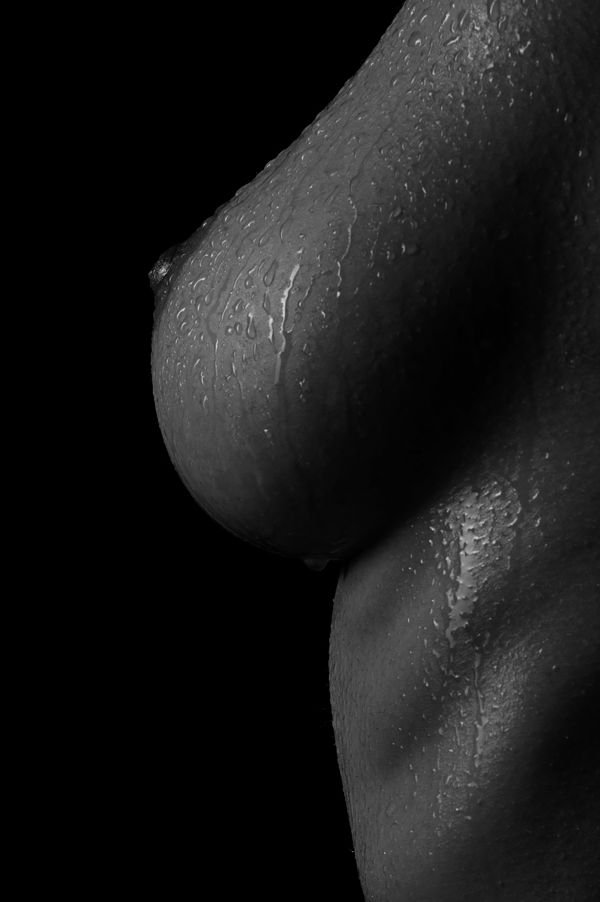
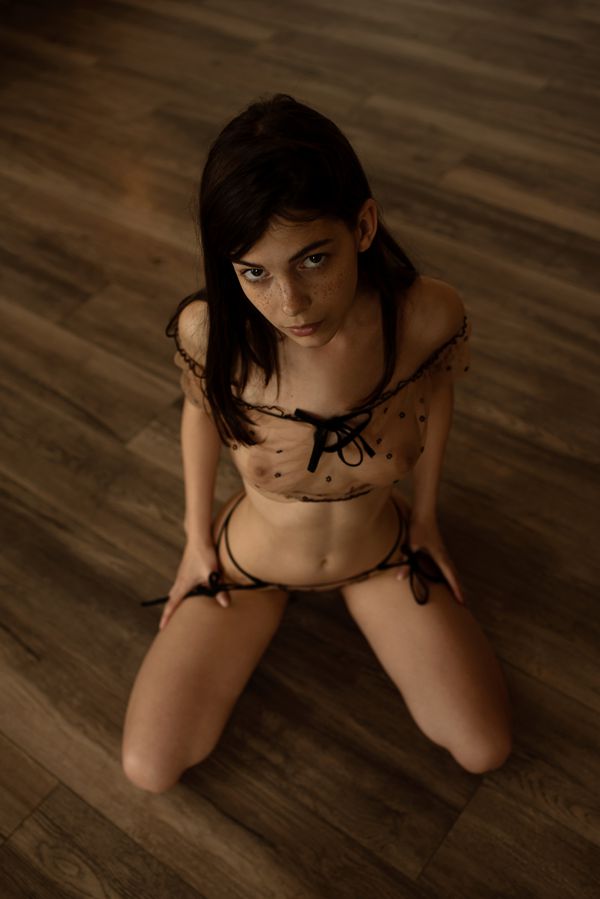
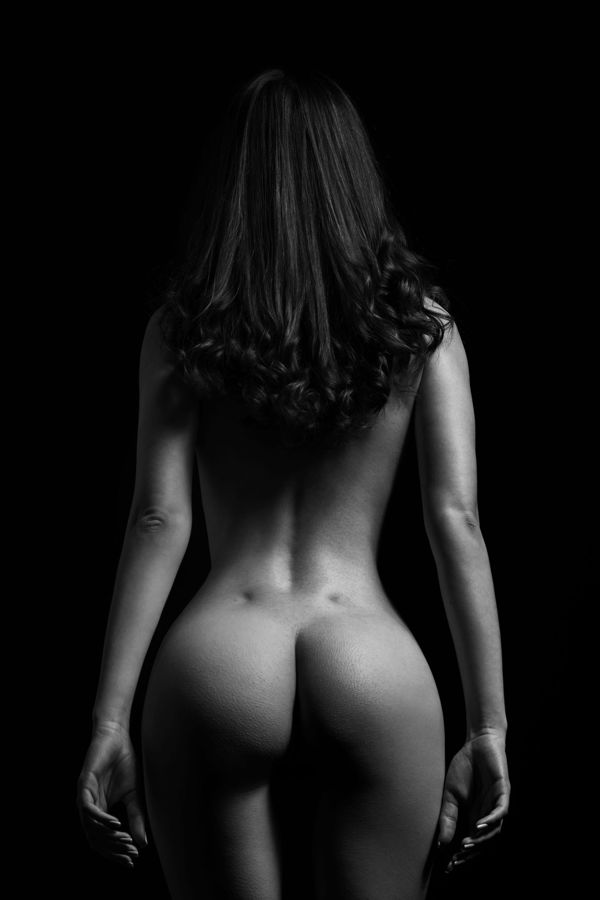
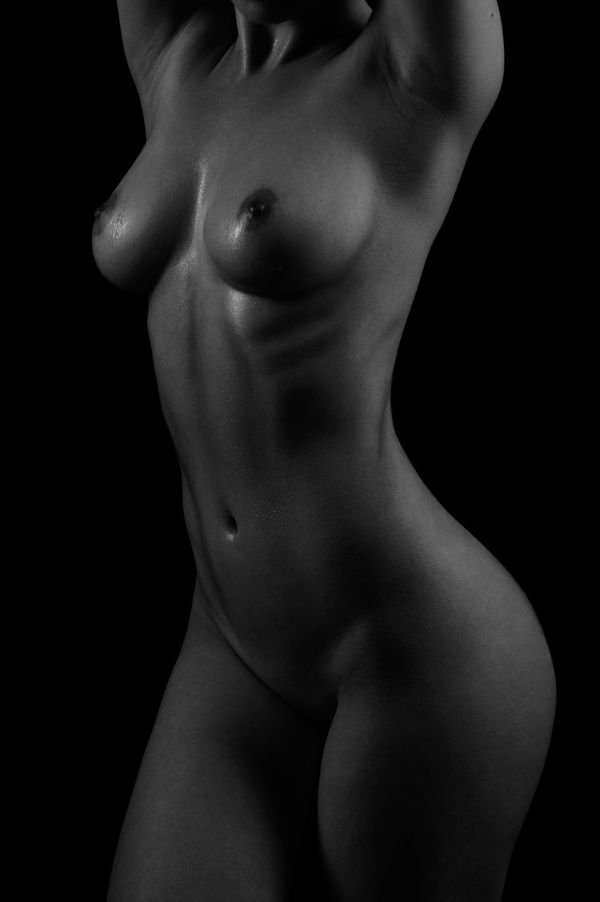
One thing’s clear: you won’t find any random or spontaneous shots in his portfolio. His approach is all about chasing beauty and aesthetics in every frame—each image is carefully crafted, loaded with visual emotion and a distinct sense of style.
FUCK ANY GIRL WITH AI
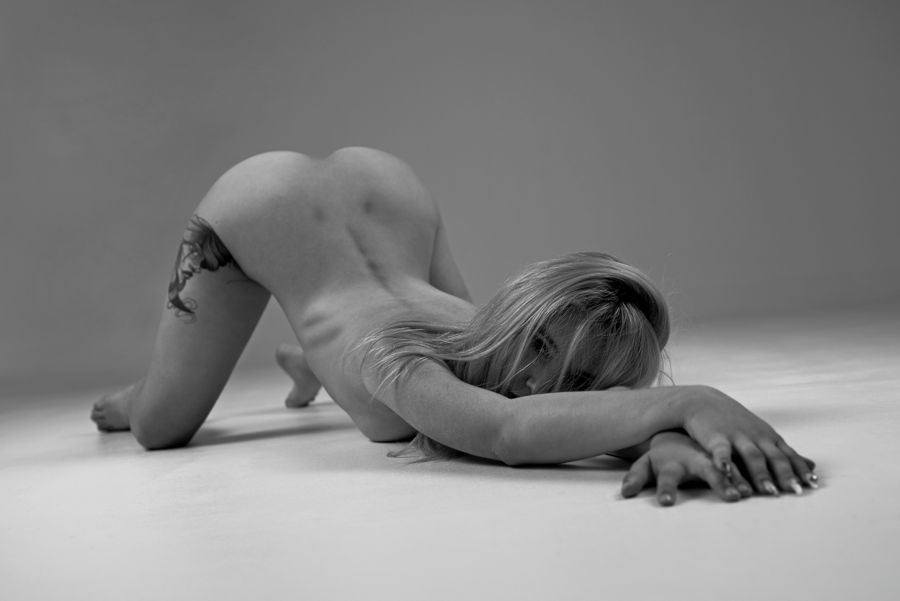
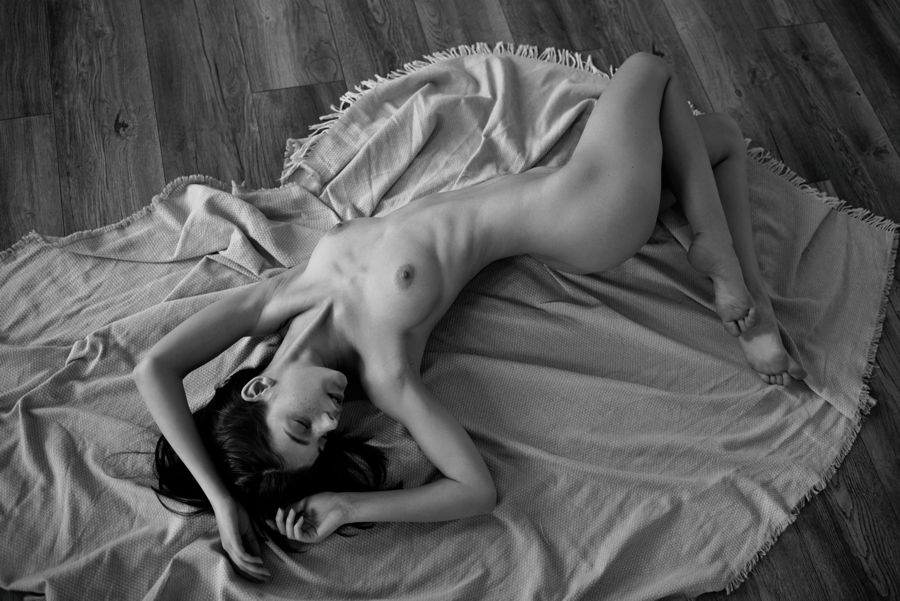
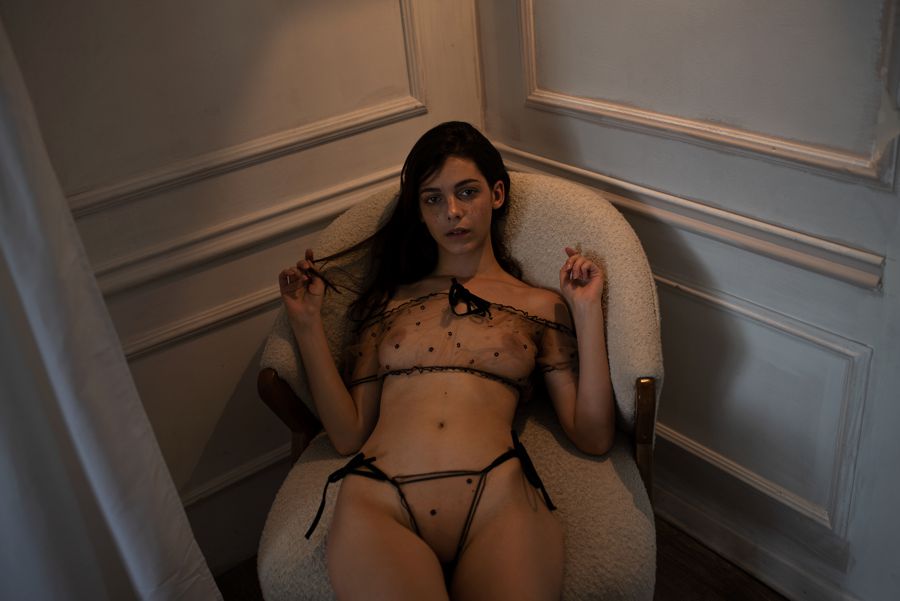
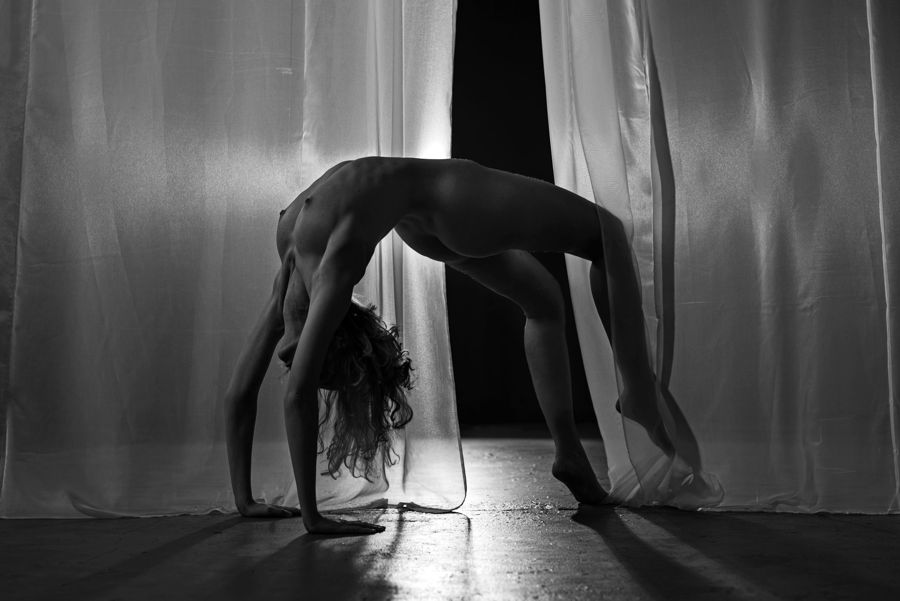
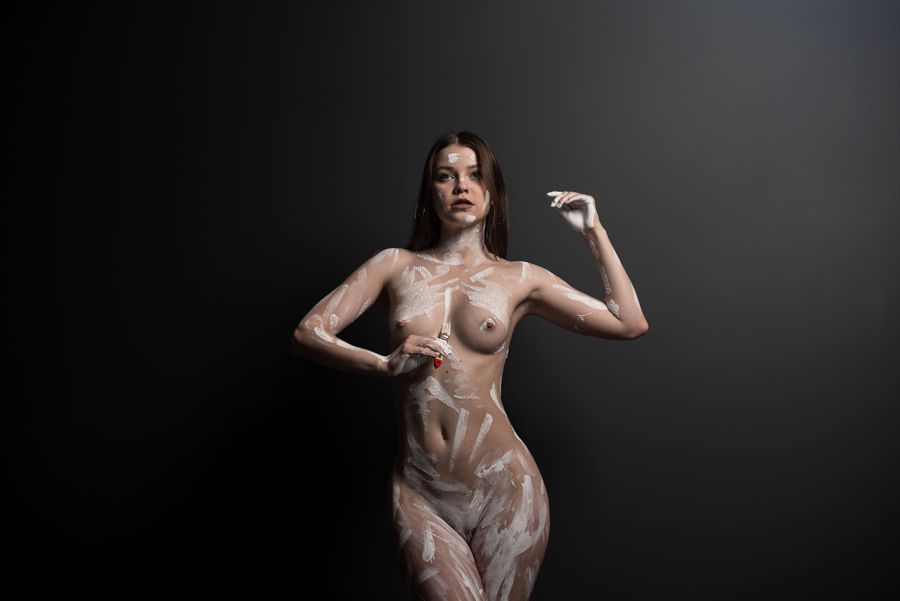


THE EROTIC TOUCH OF ALEXEY CHEPIK
Alexey is a Russian photographer who’s been focusing on nude art since 2018. Over the years, he’s done tons of photo sessions, but has only shared a small part of his work so far. Now he feels it’s the right time to finally show the rest to the world.One thing’s clear: you won’t find any random or spontaneous shots in his portfolio. His approach is all about chasing beauty and aesthetics in every frame—each image is carefully crafted, loaded with visual emotion and a distinct sense of style.
FUCK ANY GIRL WITH AI
FUCK ANY GIRL WITH AI


FEATURED MODEL
ONLYFANS · FREE
Busty Molly Boop
@honeymoolly
Discover her photos, explore her content and visit her profile for free.

FEATURED MODEL
ONLYFANS · FREE
Sophia Reed
@fantasysophiareed
Discover her photos, explore her content and visit her profile for free.
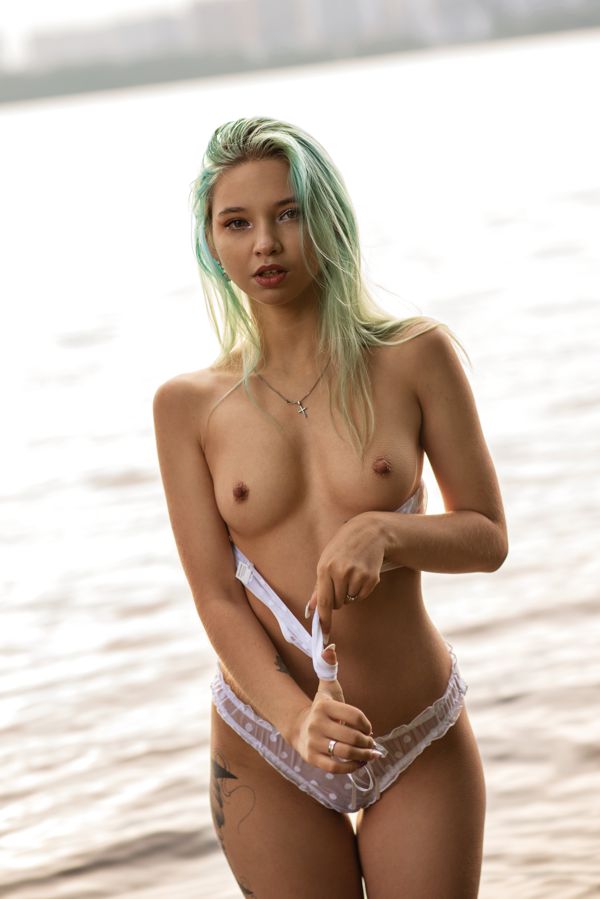

 35photo.pro/texhik
  500px.com/p/texhik
ExtraBall
Karma.
ExtraBall2
(Clicking on these links daily you support ALRNCN's work. They're collaborators or sponsors and, by visiting their sites, they like us even more)



THEY TAUGHT US NOT TO BELIEVE EVERYTHING WE READ ONLINE. NOW WE’LL HAVE TO LEARN NOT TO BELIEVE EVERYTHING WE SEE
The videos at the top of this post come from the Instagram profile of a stunning girl. Or maybe it would be more accurate to say they come from the profile of a girl who doesn’t actually exist.
I can’t say for sure, but there’s something about them that makes me think they were created using artificial intelligence. Certain movements, a few gestures, that almost-too-perfect beauty… Small details that still raise suspicions when you look closely enough.
The problem is that those little clues are disappearing fast.
During the early years of artificial intelligence, it was relatively easy to spot a generated image. Hands with six fingers, weird-looking eyes, distorted objects, impossible shadows, or bodies that defied the most basic principles of anatomy. The image might have looked impressive, but there was always something that eventually gave it away.
Now it’s not that simple. Faces show natural expressions, skin has texture, hair moves realistically, and light behaves exactly as it should. Voices breathe, hesitate, laugh, and change tone. Videos include camera movements, shallow focus, flaws, and tiny imperfections deliberately added to make them look real.
And this is only the beginning.

Read the full article and check out all the videos and images I’ve included
ExtraBall
For sticking the incense in.
 instagram.com/klayful_ceramics
 ExtraBall2





MY PRIVATE FIGURINE COLLECTION
For a long time, painting miniatures was mostly associated with soldiers, armies, scale models, and strategy games. Tiny figures made of metal, resin, or plastic that had to be brought to life with a ridiculously small brush, plenty of patience, and a steady hand that didn't look like it belonged to someone who'd just downed four coffees. Over the years, the hobby grew, became more specialized, and blended with other worlds until it reached manga, anime, video games, and pretty much any character someone considered worthy of a spot on a shelf.
Because buying a finished figure is one thing. Creating it yourself is something completely different.
Japanese figure collecting has a long history behind it, especially around garage kits, figures sold unassembled and unpainted so hobbyists could prepare and finish them themselves. In Japan, this culture really began gaining momentum during the 1980s, fueled by conventions, specialty stores, and a community of fans who wanted figures of characters that often didn't even exist as commercial products.
That turned collectors into something more than just buyers. Pieces had to be assembled, imperfections corrected, joints sanded, primer applied, and finally you had to face that little three-dimensional canvas, completely gray or white, that still barely resembled the character you had in your head.
And that's probably where the most interesting part of the process begins.

# Keep reading and check out the video
ExtraBall
Dancing.
instagram.com/kirakisey
ExtraBall2







 CamBB.xxx
We find the best live porn cams across many different cam sites like Streamate, Chaturbate, Cam4 and Stripchat.
 ChatSex.xxx
With Chat Sex you get free sex cams featuring nude cam girls you can chat with for free.
FEATURED MODEL
ONLYFANS · FREE
Sophia Reed
@fantasysophiareed
Discover her photos, explore her content and access her profile for free.









RECOMMENDED SITES
 Add your site
- Erotic Beauties
- sweetlicious
- The Nip Slip
- Erosberry
- Kanoni Net
- Shocking Porn
- inhumanity
- Totally NSFW
- Babes & Bitches
Add your site💩 CrazyShit
🤪 eFukt
👉🍑 Top XXX Pictures
Bingo Porno
Best Porn Blog Sites
 Sex Games
MrPornGeek
Hardcore Porn Videos
NSFW.Tools
Sex AI Chat
Porn Game
ShareAnyNudes
Teenager365
Best JAV Models
Hotness
HornyFap

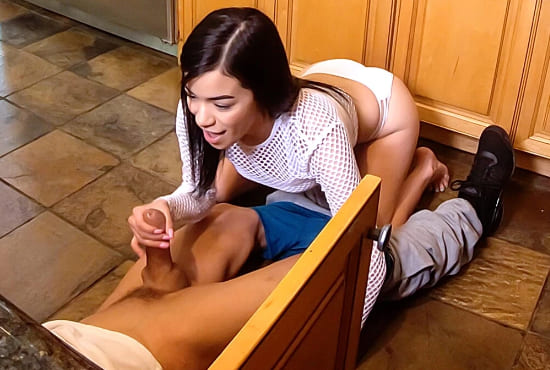
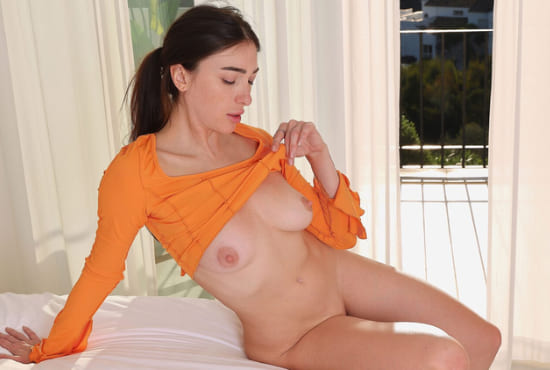




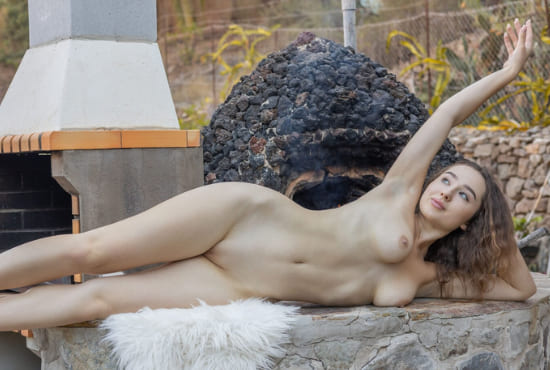


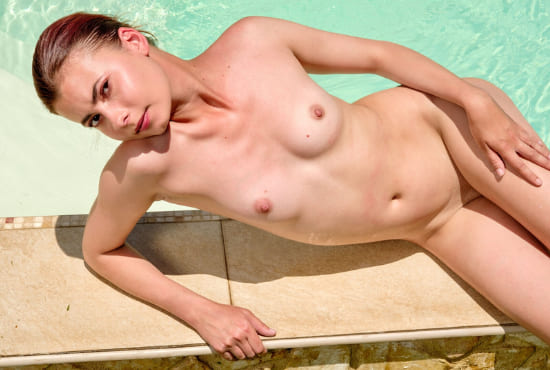
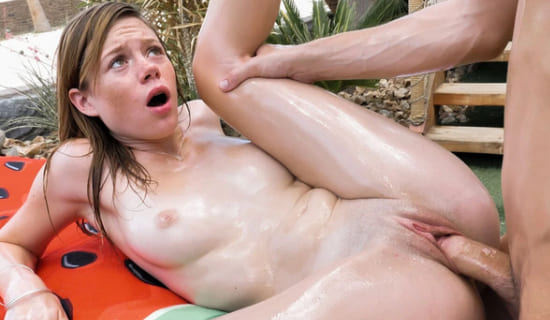

THE INSTAGRAM OF THE DAY: LAVAXGRLL
Mariah Casillas
LA | SD
the law of attraction brought you here 🫶🏻

# View the photos
You can also follow us on our INSTAGRAM ACCOUNT
ExtraBall
It’s never too late to take an interest in the world of fashion.
ExtraBall2





DEREK WOODS 2026
It's been 15 years since we first featured Derek Woods' work here, and after all this time, we're once again stepping into his world through the lens in this fourth installment dedicated to his work. He's one of those photographers worth revisiting every now and then, both to see what he's been up to since the last time we crossed paths with him and to enjoy his distinctive approach to artistic nude and contemporary erotic photography.

# View photographs
ExtraBall
Shaolin training.
instagram.com/jessinorsa (AI)
ExtraBall2







Contact
You can tell us whatever you want via email: [email protected]
If you prefer, you can use this contact form:
If you prefer, you can use this contact form:



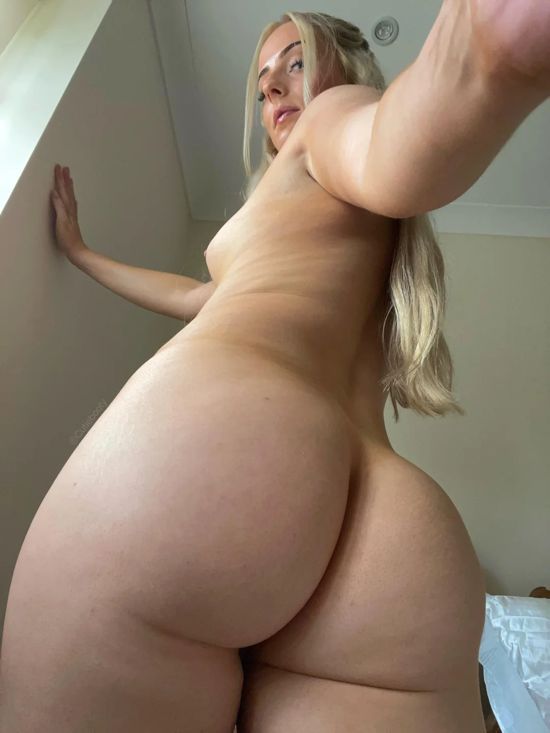
AMATEUR FLESH: APRIL FLOWERS🍑
Looking at April’s Reddit profile, I don’t think you need to be Sherlock Holmes to figure out which part of her body she’s most proud of.
# Watch videos
ExtraBall




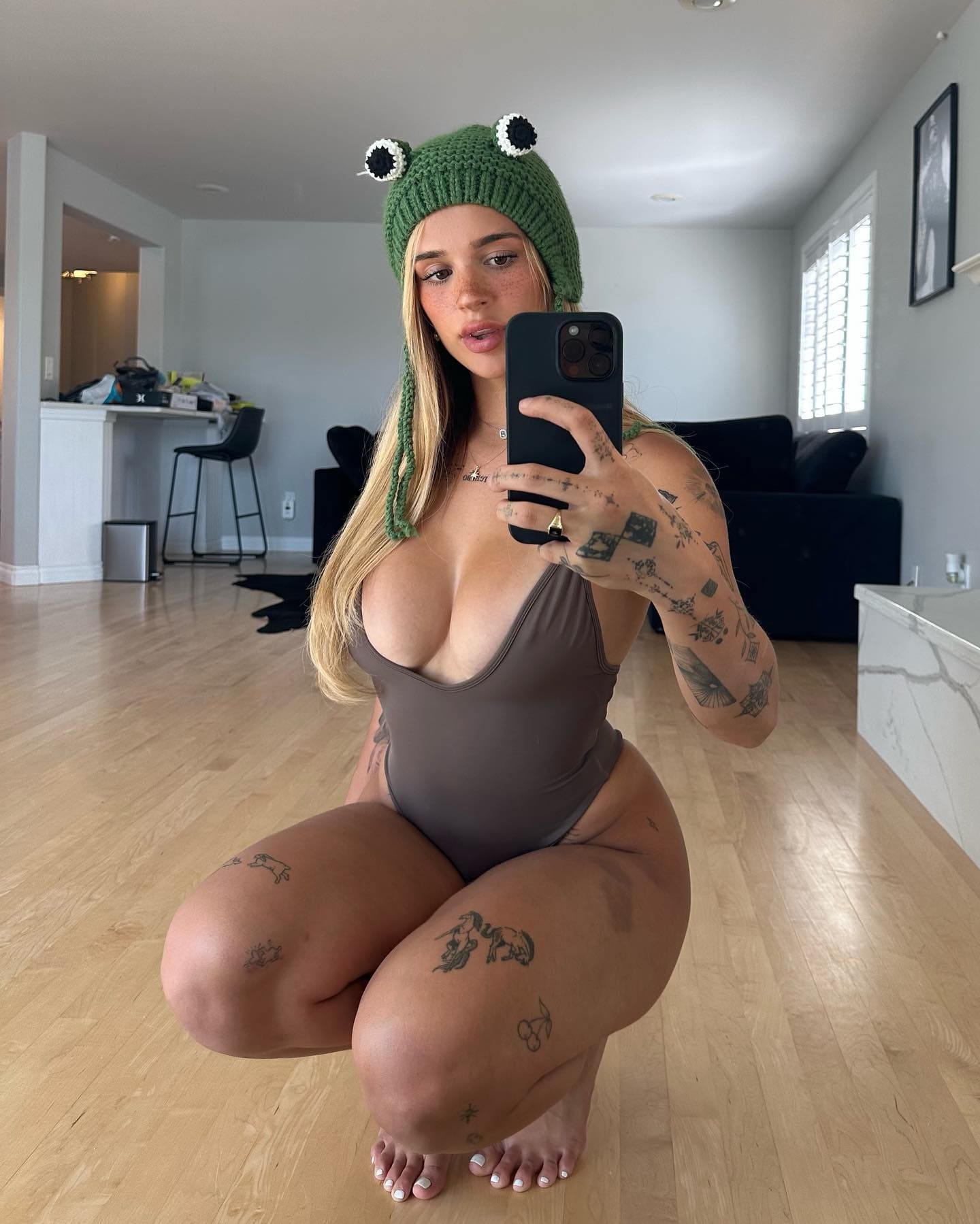
THE INSTAGRAM OF THE DAY: ARI KYTSYA
Ari Kytsya
Seattle
23
🇺🇦🇨🇦
# See photos
You can also follow us through our INSTAGRAM ACCOUNT
ExtraBall david
Involution.
ExtraBall2