Eporner HD Sex Porn Discounts Sex Games Porn Games XXX Games Hentai Games PornStar Games 3D Porn Celebrity Sex Videos
Live Sex Free Live Sex Free Sex Games Páginas Porno Nude Celebrities TikTok Porn Sex Cam RoseToy Official Cams Porno AI Porn
Live Sex Free Live Sex Free Sex Games Páginas Porno Nude Celebrities TikTok Porn Sex Cam RoseToy Official Cams Porno AI Porn

Published on 2019/12/23
FUCK ANY GIRL WITH AI
















PETR DEMICHEV 2019
Last year I shared some pictures of the Russian photographer Petr Demichev… Since then, this good sir has uploaded more photos online to increase his portfolio, so we should definitely take a look at that. How’s that for a plan?FUCK ANY GIRL WITH AI
FUCK ANY GIRL WITH AI





FEATURED MODEL
ONLYFANS · FREE
Mistress Sasha
@domsasha
Discover her photos, explore her content and visit her profile for free.
FEATURED MODEL
ONLYFANS · FREE
Kaori Uchiha
@cosplaykaori
Discover her photos, explore her content and visit her profile for free.

 vk.com/id400170188
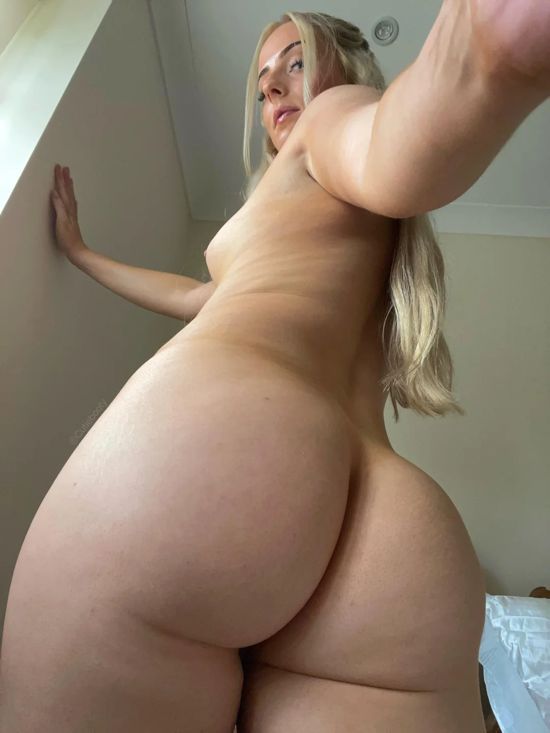
AMATEUR FLESH: APRIL FLOWERS🍑
Looking at April’s Reddit profile, I don’t think you need to be Sherlock Holmes to figure out which part of her body she’s most proud of.
# Watch videos
ExtraBall







AMATEUR FLESH: LISA 👩👧💍⚽️👩🏫
Lisa introduces herself pretty simply: mom, wife, soccer mom, and teacher. The kind of description that, at first glance, could easily belong to the Facebook profile of just about any suburban mom.
Except Lisa has another hobby too: taking nude photos and videos of herself and happily sharing them on Reddit.
The truth is, you never really know people as well as you think you do. You could cross paths with your kids' teacher every morning, watch her arrive with all her stuff, politely say hello, and carry on with your day thinking you know exactly who's standing in front of you.
And then it turns out she has a subreddit at night.
The Internet. That wonderful place where appearances last exactly until someone sends you a link.
# Watch videos
ExtraBall



 CamBB.xxx
We find the best live porn cams across many different cam sites like Streamate, Chaturbate, Cam4 and Stripchat.
 ChatSex.xxx
With Chat Sex you get free sex cams featuring nude cam girls you can chat with for free.

FEATURED MODEL
ONLYFANS · FREE
Kaori Uchiha
@cosplaykaori
Discover her photos, explore her content and access her profile for free.









RECOMMENDED SITES
 Show all
Add your site
- Phun
- Nude Babes
- XRares
- CrazyShit
- mybigtitsbabes
- Entensity
- Twistedporn
- celeb-stalker.com
- Erotic Beauties
Show all- BoobieBlog
- The Nip Slip
- sweetlicious
- Erosberry
- Kanoni Net
- Shocking Porn
- Totally NSFW
- Silken Girls
- Babes & Bitches
Add your site💩 CrazyShit
🤪 eFukt
👉🍑 Top XXX Pictures
Bingo Porno
Best Porn Blog Sites
 Sex Games
MrPornGeek
Hardcore Porn Videos
NSFW.Tools
Sex AI Chat
Porn Game
ShareAnyNudes
Teenager365
Best JAV Models
Hotness
HornyFap

















THE INSTAGRAM OF THE DAY: ALEXISCLARK
Lex 👼🏼 ♡
🩷

# View photographs
You can also follow us on our INSTAGRAM ACCOUNT
ExtraBall
When a burglar breaks into your house and you don't want to rat him out because he told you he has 5 kids to feed.
She's actress A.J. Applegate, and at this link you can check out many of her scenes
ExtraBall2








THE INSTAGRAM OF THE DAY: ARI KYTSYA
Ari Kytsya
Seattle
23
🇺🇦🇨🇦

# See photos
You can also follow us through our INSTAGRAM ACCOUNT
ExtraBall david
Involution.
ExtraBall2








Contact
You can tell us whatever you want via email: [email protected]
If you prefer, you can use this contact form:
If you prefer, you can use this contact form:





THE INSTAGRAM OF THE DAY: ANNETH_DMITRIEVA
Anneth Dmitrieva
Model | Nude Art | Beauty
Available for shoots & collabs
Italy 🇮🇹 | EU
24 years old 👑
old account is blocked❌

# View photos
You can also follow us on our INSTAGRAM ACCOUNT
ExtraBall
Wet nose.
ExtraBall2







THE KIND OF SEX THAT NEEDS NO EXPLANATION
Not so long ago, talking about sex dolls meant picturing some crude product hidden at the back of a sex shop and destined to become the punchline of a joke. But the industry has changed. A lot. The old inflatable dolls have given way to hyperrealistic bodies made from silicone, with articulated skeletons, textured skin, and a level of detail that is becoming as fascinating as it is unsettling.
Each new generation moves better, weighs less, offers more customization options, and comes a little closer to the fantasy its owner has in mind. You can choose the body, face, skin tone, hair, and even small details that turn a mass-produced product into something that feels unique.
And as the technology improves, the way we look at them is changing too. Sex dolls are leaving behind their status as a secretive object and becoming another option within the pleasure industry. They still provoke rejection, curiosity, and more than a few uncomfortable glances, but it is becoming less unusual to find them on social media, at exhibitions, in specialized brothels, or in the homes of owners who no longer feel the need to hide them.

There is obviously sex behind all this, but perhaps there is something else too. We live in an age when we can talk to anyone, at any time, from anywhere, yet more and more people feel lonely, isolated, or unable to form genuine connections. We have never been so connected, and yet it has never been so easy to go for days without having a real conversation with anyone.
In this scenario, the industry is not simply selling a body. It is selling availability, freedom from rejection, and completely controlled intimacy. A partner who doesn’t judge, demand, argue, and is always there. For some, it will simply be a sophisticated sex toy; for others, a presence filling an emotional space that used to be empty.
The next step seems inevitable: integrating artificial intelligence, voices, sensors, personalized responses, and increasingly natural movements. When that happens, they will stop being simple dolls and become something much harder to define. And that is when the uncomfortable questions will begin: if a machine can make us feel less alone, will it really matter that it feels nothing for us?
The sex doll industry continues to grow, evolve, and make its way into the mainstream without making too much noise. Today, we take another look at this market where sex, technology, and loneliness come together, with a selection of images and videos showing just how far it has already come.
And judging by the results, it is pretty clear that this is only the beginning.

# View photos and videos
ExtraBall
Get those shirts up!
ExtraBall2