Eporner HD Sex Porn Discounts Sex Games Porn Games XXX Games Hentai Games PornStar Games 3D Porn Celebrity Sex Videos
Live Sex Free Live Sex Free Sex Games Páginas Porno Nude Celebrities TikTok Porn Sex Cam RoseToy Official Cams Porno Crazy Babysitter
Live Sex Free Live Sex Free Sex Games Páginas Porno Nude Celebrities TikTok Porn Sex Cam RoseToy Official Cams Porno Crazy Babysitter

Published on 2026/05/14
MARTIN WIELAND 2026
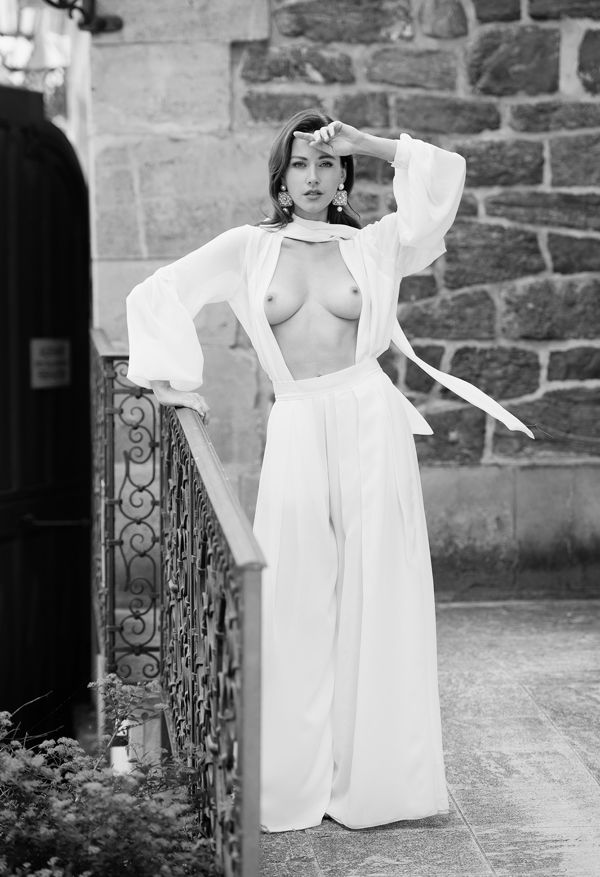
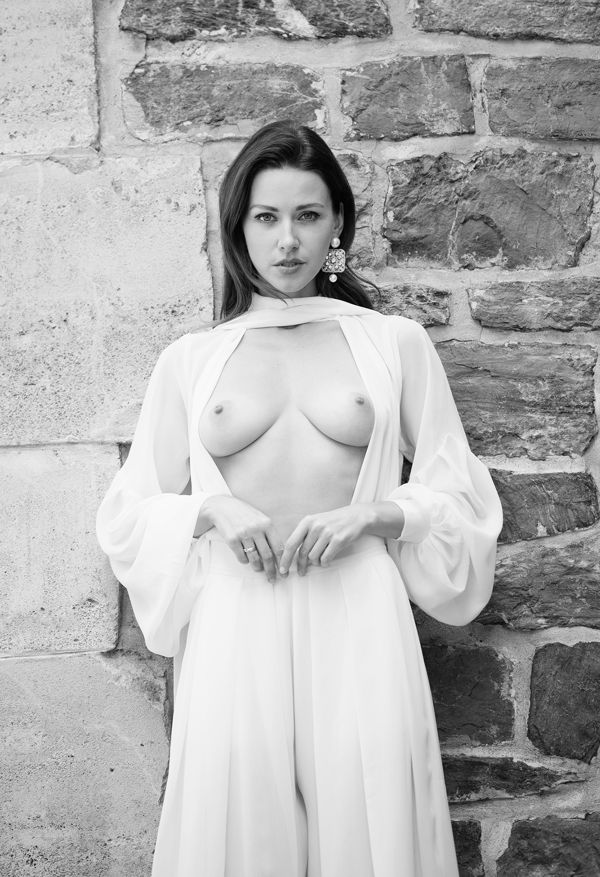
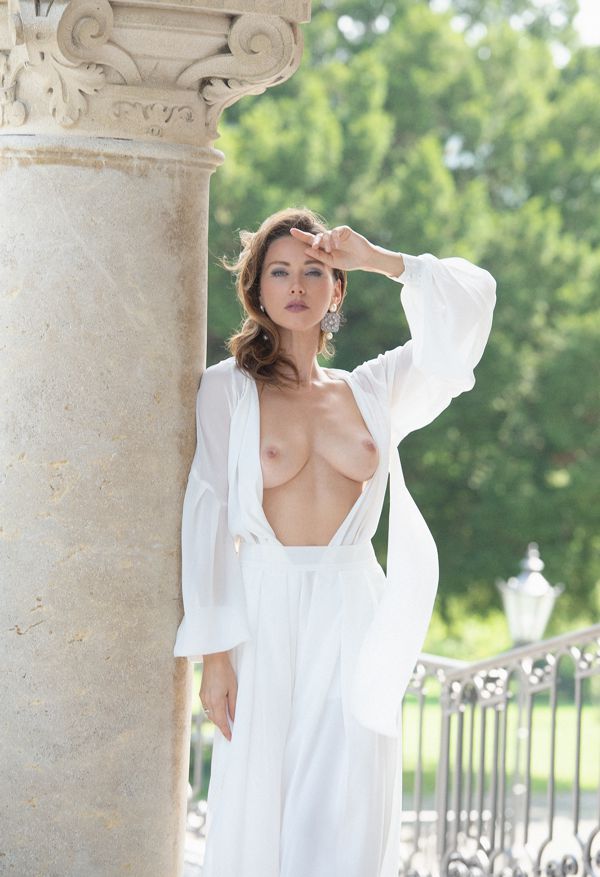
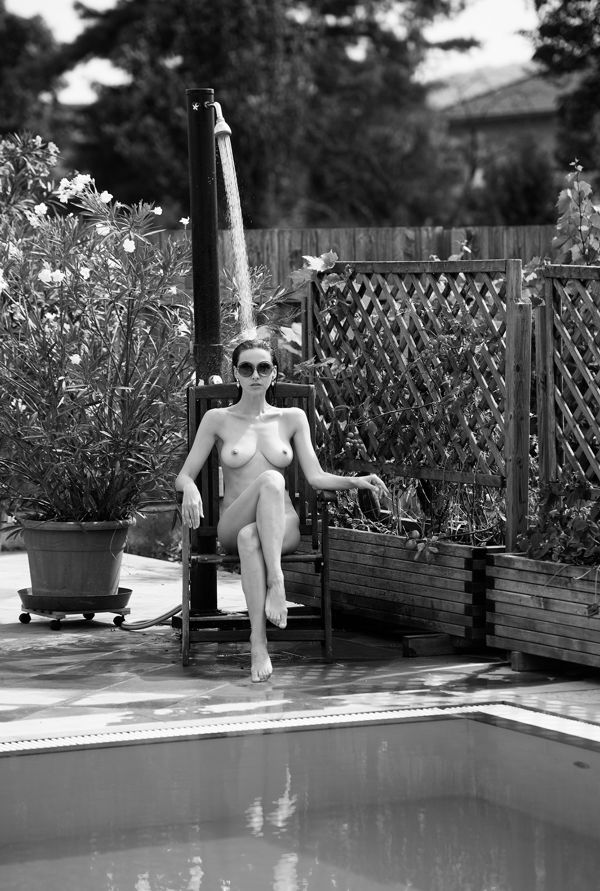
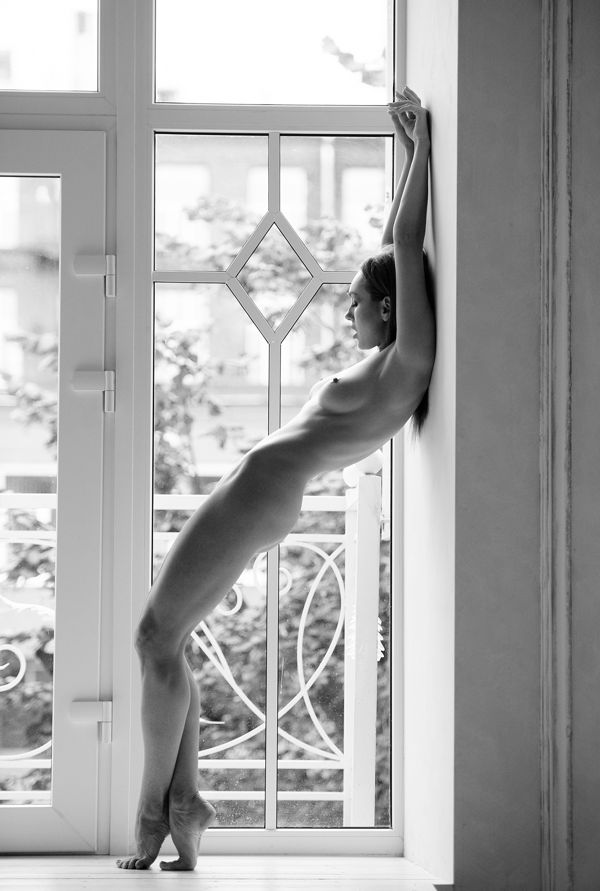
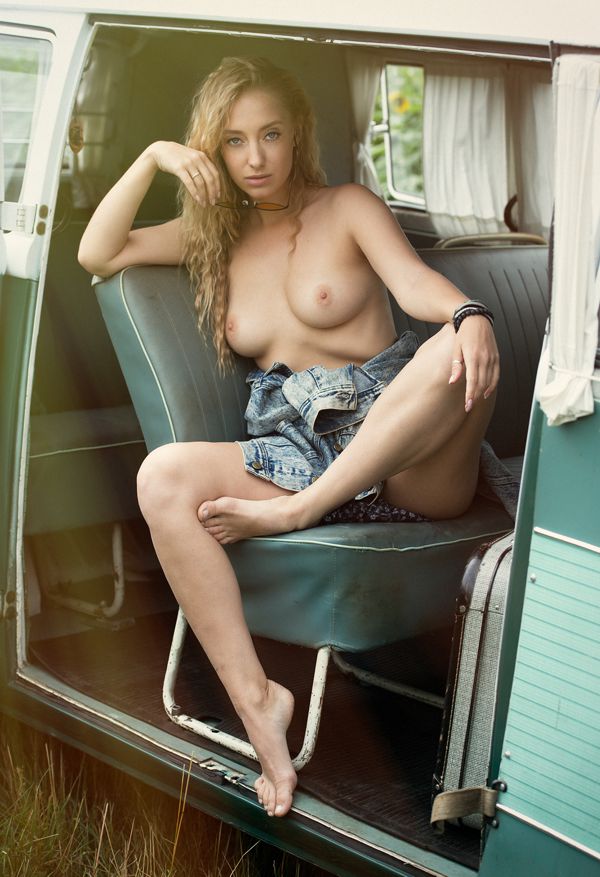
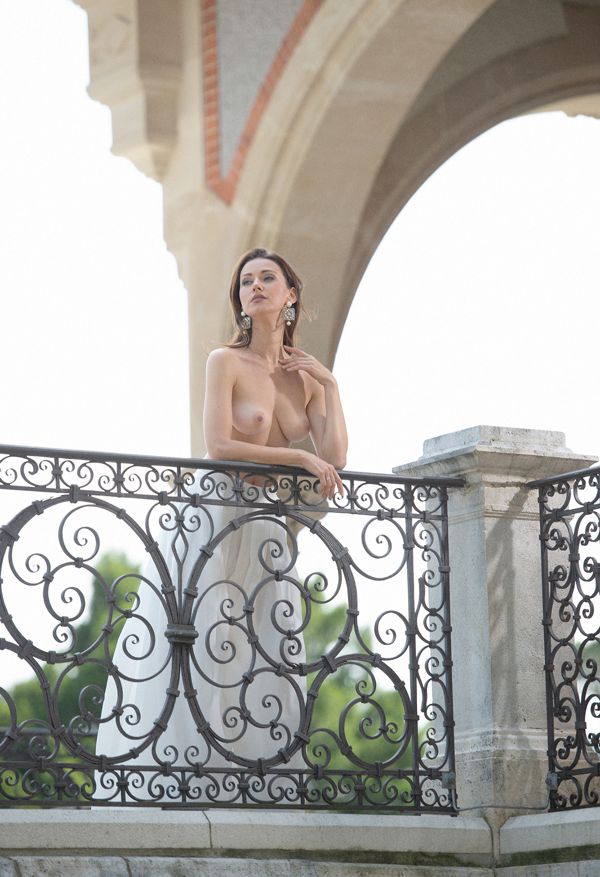
It’s already been 12 years since the first post dedicated to Austrian photographer Martin Wieland. A true reference in the world of erotic photography, with a very recognizable style that blends sensuality, elegance, and lighting capable of turning any scene into something hypnotic.These are some of the photos he’s recently shared on his social media. Because there are photographers who take pictures… and then there’s Martin Wieland.




@ebo_goddessvip
Description? Confident, playful, and a little dominant.
Every goddess needs a throne, and every human being needs to be pleased
By day I'm a businesswoman, by night I'm a slut.
Description? Confident, playful, and a little dominant.
Every goddess needs a throne, and every human being needs to be pleased
By day I'm a businesswoman, by night I'm a slut.

@foxyuzumaki
lewds n nudes cosplay anime + videogames + cartoons & more!!
you know what they say about rule 34: if it exists, there's a 18+ version of it
btw, if you are looking for a long lasting fun and unique experience the best choice you can make is joining my VIP account. just click the link
lewds n nudes cosplay anime + videogames + cartoons & more!!
you know what they say about rule 34: if it exists, there's a 18+ version of it
btw, if you are looking for a long lasting fun and unique experience the best choice you can make is joining my VIP account. just click the link
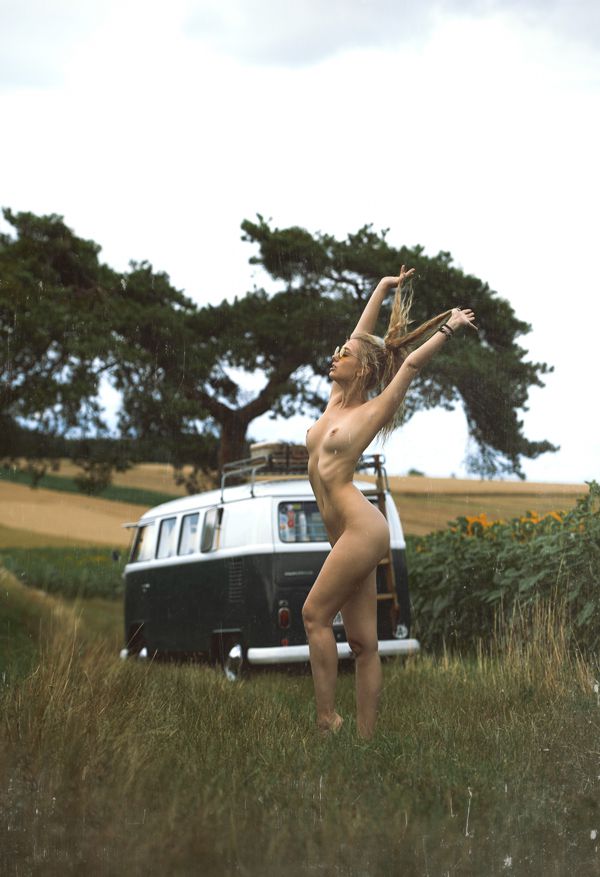
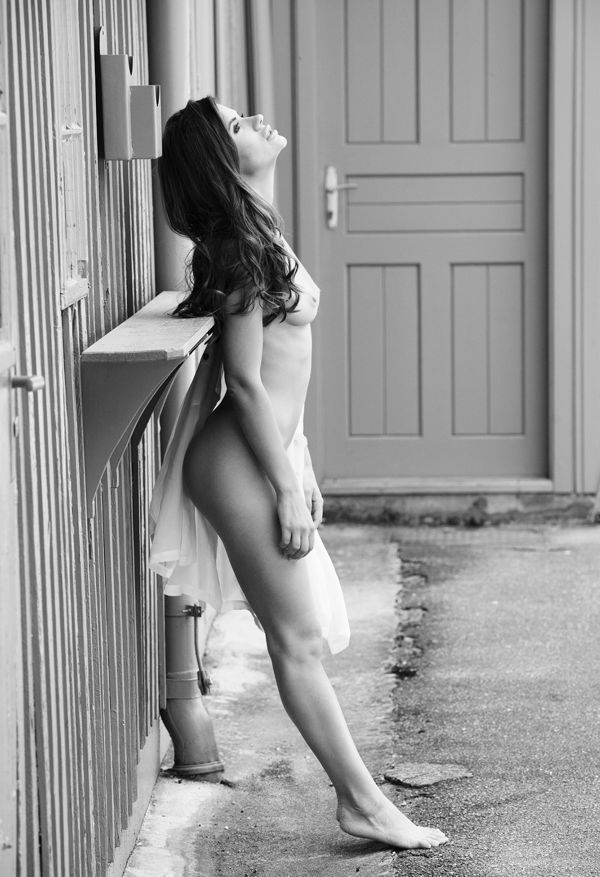



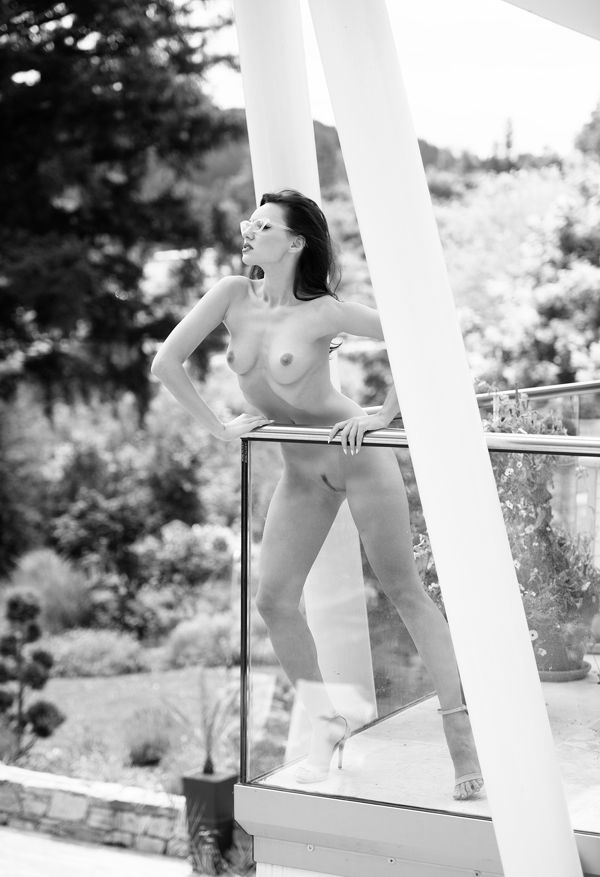
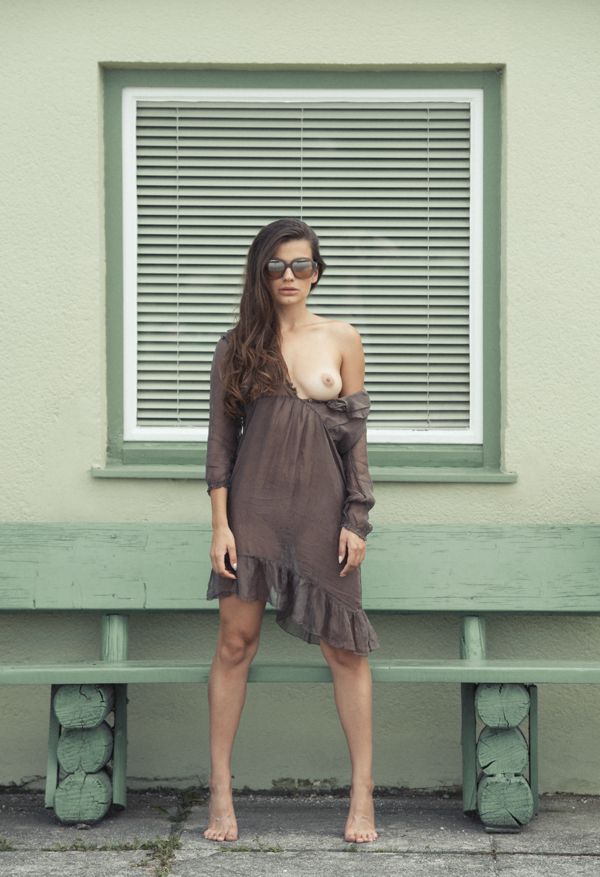



 martinwieland.at
  instagram.com/martinwieland
  500px.com/p/martinwieland
  behance.net/martinwieland
ExtraBall
Beach day.
ExtraBall2






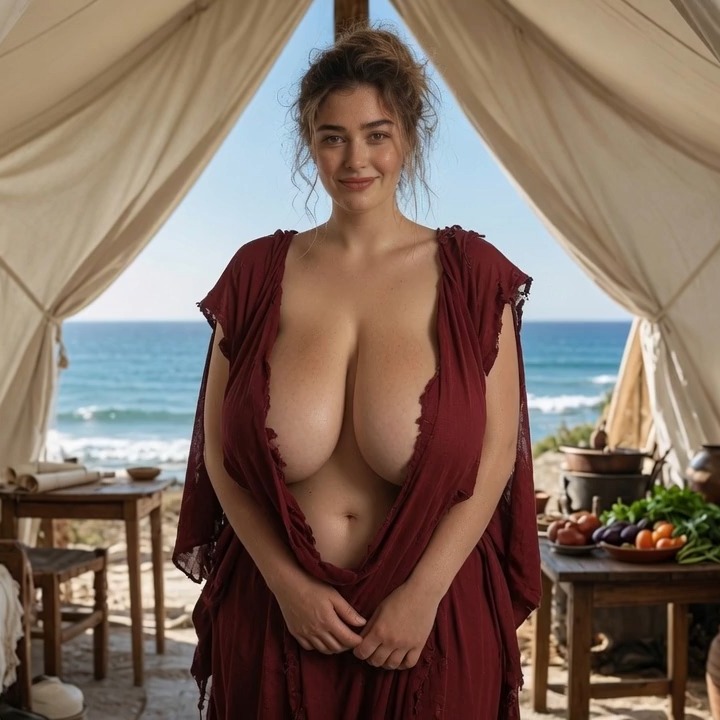
WE'VE BEEN ADMIRING BEAUTY THE SAME WAY WE DID 2,000 YEARS AGO
There's something fascinating about Artificial Intelligence. It doesn't just imagine the future; it can also invent a past. A past that never existed, yet somehow feels strangely believable. Places that were never photographed. People who never walked the Earth. Scenes that no historian could ever place on a map, and yet our brains accept them for a few seconds as if they belonged to some forgotten corner of the Mediterranean two thousand years ago.

It's like a time machine built out of pixels. It doesn't take us back to the past—it takes us back to the idea we have of the past. It blends historical references, imagination, and a touch of nostalgia to create memories of something that never actually happened. We know it's fiction, yet a part of us willingly chooses to believe it.
Maybe that's because, even though the scenery changes, some things never do. Empires have risen and fallen. Religions, languages, borders, and even the way we understand the world have changed. But our fascination with beauty has been with us ever since humans first began leaving traces of their existence.

The Egyptians carved it into stone. The Greeks sculpted it in marble in search of impossible perfection. The Romans covered the walls of their villas with frescoes. Painters, sculptors, and poets throughout history have all tried to capture something that can never truly be frozen in time: a glance, a smile, or curves capable of making someone stop and look, even when their mind was somewhere else.
We like to think we've changed a lot, but we're probably still wired to respond to the same things our ancestors did. Technology has evolved at an incredible pace. We've gone from chisels to cameras, from paintings to video, and now from photography to Artificial Intelligence. The tools change, but not what they're trying to capture.
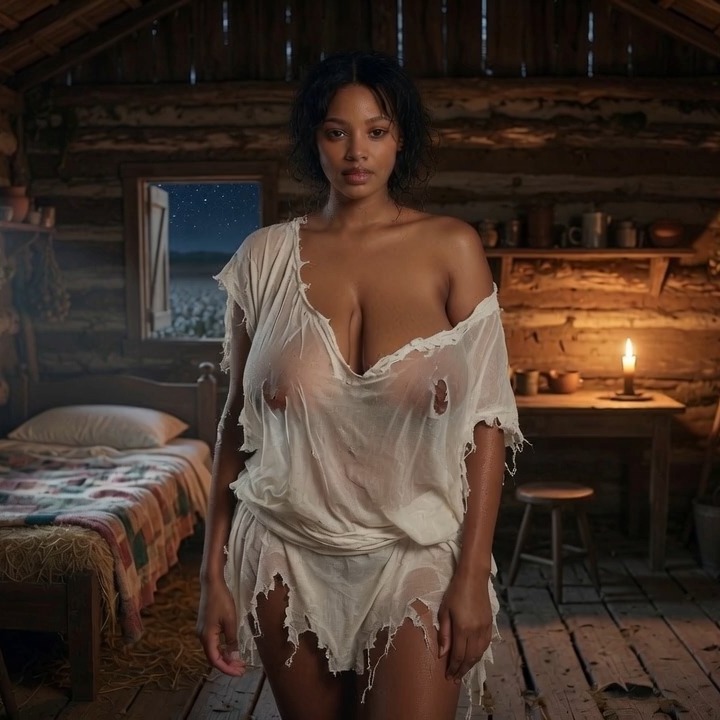
Maybe that's why these images work so well. Not because they're trying to recreate history with perfect accuracy, but because they evoke an era we all imagine in a similar way. A simpler world, closer to nature, where clothing was little more than a piece of fabric, light came from the sun or a candle, and beauty had exactly the same power it has today.
Two thousand years from now, someone might come across these AI-generated images and look at them the same way we look at a classical statue or a Roman fresco. Not because they'll think they were real, but because they'll instantly understand what we were trying to preserve. Civilizations rise and fall, tools evolve, and technology keeps moving forward... but there are some things that never stop capturing human attention.
# Watch the videos
ExtraBall
My new tattoo.
ExtraBall2






TRAVELING BY CAR VOL15
The future of the automobile is looking increasingly uncertain. No one really knows how much time combustion-engine vehicles have left, although it seems obvious that their fate will be decided less by consumers than by political decisions, regulations, and the enormous economic interests driving one of the biggest industrial transformations in modern history.
It's understandable that Europe wants to reduce its dependence on oil. For decades, it has relied on importing a large share of the energy it consumes, leaving itself exposed to geopolitical conflicts, supply crises, and the interests of the world's largest oil producers. From that perspective, electrifying transport makes perfect sense: generate more energy within Europe, reduce dependence on foreign suppliers, and strengthen its own energy industry.
What many of us question isn't that. We're not saying the climate isn't changing. That would be absurd. The Earth's climate has been changing ever since the planet existed. We've experienced ice ages, periods far warmer than today's, continents arranged in completely different positions, and eras when volcanic activity released amounts of gas into the atmosphere that dwarf anything produced today. The planet has always changed, and it will continue to change with or without us. The real discussion is how much influence humans actually have and which measures genuinely make sense.

What many of us struggle to believe is the political narrative surrounding all of this. If Europe had simply said from the beginning, "Ladies and gentlemen, we're tired of depending on oil from the Middle East, Russia, or the United States. We want to produce our own energy, build a European energy industry, and achieve strategic independence—even if that means covering the continent with wind farms, solar panels, and new infrastructure," there would probably have been debate, but at least the message would have been straightforward.
Instead, everything is presented as though it's solely about saving the planet, even though this transition also involves hundreds of billions of euros. New taxes, new regulations, new markets, public subsidies, energy giants expanding, manufacturers reinventing themselves... and, as so often happens, the revolving door that many suspect will keep spinning once certain politicians leave office.
And whenever someone questions that model, the label appears almost instantly: climate denier. As if criticizing specific policies were the same thing as denying that the climate changes. Those are two completely different debates. You can accept that the climate evolves, care about the environment, and at the same time distrust the way that argument is being used to justify certain economic, fiscal, or regulatory decisions.
Meanwhile, the people expected to adapt to every new change are ordinary citizens. Replacing perfectly functional cars ahead of time, paying ever-higher prices, facing new taxes, dealing with restrictions, and becoming increasingly dependent on heavily regulated technologies all come at a cost—and it's the public that ultimately pays it. History shows that power rarely gives up the opportunity to accumulate more influence, more regulation, and more resources. That's why many people view this transition with skepticism: not because they believe the planet isn't changing, but because they find it difficult to believe that politics has suddenly stopped being politics and become nothing more than an act of environmental altruism.
And after sharing this opinion—which is, after all, just an opinion—here are a few videos.
Update (Putting Some Numbers on the Table)
- Humans are responsible for roughly 5% of the CO₂ entering the atmosphere each year within the Earth's overall carbon cycle. The remaining 95% comes from natural processes such as the oceans, soils, vegetation, and the respiration of living organisms.
- Of that 5% generated by human activity, Europe accounts for approximately 6%.
- Put into global terms, Europe contributes about 0.3% of the CO₂ entering the atmosphere each year within the overall carbon cycle.
- In addition, roughly half of human-generated emissions are absorbed by the oceans and terrestrial ecosystems, meaning the net contribution attributable to Europe would be even smaller—around 0.15%.
Does the direct effect of reducing such a small fraction of global emissions justify the climate emergency narrative, the political urgency, the bans, the taxes, the subsidies, the transformation of Europe's energy model and vehicle fleet, and all the economic sacrifices being asked of ordinary citizens?
What cannot be denied is that, while those sacrifices are being demanded from the public, enormous economic, industrial, strategic, and geopolitical interests surround the energy transition. Major power companies, manufacturers, investment funds, and countless industries connected to this transformation stand to move hundreds of billions of euros—ultimately paid by taxpayers. And, of course, there are the well-known revolving doors between politics and major energy corporations.
Is it possible that the only motivation is saving the planet, and that everything else is merely secondary and incidental? Well... it's possible.

# Watch the videos
 You can find much more content like this on our TELEGRAM CHANNEL
 How to unlock adult content on Telegram (Apple, Android, or any device)
If you try to open our Channel and Telegram shows a warning about adult content and won’t let you in, it means the restriction filter is turned on.
Just go to https://web.telegram.org, log in, and open:
Settings → Privacy → Sensitive content
Turn on “Disable filtering” and you’re good to go.
The change syncs automatically with your Telegram app on any device.
ExtraBall





 CamBB.xxx
We find the best live porn cams across many different cam sites like Streamate, Chaturbate, Cam4 and Stripchat.
 ChatSex.xxx
With Chat Sex you get free sex cams featuring nude cam girls you can chat with for free.

@mistychains
I know you can’t take away your eyes from me… Latina, sweet lips, hot sexy body, cute and smart, can you spoil me like I deserve?
Worship me like a Goddess, or make me your little brat princess.
Let me see what you are made of… And I will show you TRUE MAYHEM.
I know you can’t take away your eyes from me… Latina, sweet lips, hot sexy body, cute and smart, can you spoil me like I deserve?
Worship me like a Goddess, or make me your little brat princess.
Let me see what you are made of… And I will show you TRUE MAYHEM.












RECOMMENDED SITES
 Add your site
- Twistedporn
- BoobieBlog
- Erotic Beauties
- celeb-stalker.com
- Kanoni Net
- Shocking Porn
- Candid Teens
- Babes & Bitches
- Totally NSFW
Add your site💩 CrazyShit
🤪 eFukt
👉🍑 Top XXX Pictures
Bingo Porno
Best Porn Blog Sites
 Sex Games
MrPornGeek
Hardcore Porn Videos
NSFW.Tools
Sex AI Chat
Porn Game
ShareAnyNudes
Teenager365
Best JAV Models
Hotness
HornyFap












AMATEUR FLESH: LISA 👩👧💍⚽️👩🏫
Lisa introduces herself pretty simply: mom, wife, soccer mom, and teacher. The kind of description that, at first glance, could easily belong to the Facebook profile of just about any suburban mom.
Except Lisa has another hobby too: taking nude photos and videos of herself and happily sharing them on Reddit.
The truth is, you never really know people as well as you think you do. You could cross paths with your kids' teacher every morning, watch her arrive with all her stuff, politely say hello, and carry on with your day thinking you know exactly who's standing in front of you.
And then it turns out she has a subreddit at night.
The Internet. That wonderful place where appearances last exactly until someone sends you a link.
# Watch videos
ExtraBall


AMATEUR FLESH: SPOOKIE SHELBIE
Back in the day, you needed an agent, a studio, someone willing to bet on you and open the doors to pre-set channels. Today, thanks to the internet, the showcase is global and open 24/7.
That doesn’t mean it’s easy, but the tools are there: anyone with talent, presence, or just pure attitude can reach millions of people. And sometimes all it takes is one well-placed video to turn a complete unknown into the muse of hundreds of thousands of men.
That’s what makes discovering a new amateur so exciting: that unique moment when someone jumps from their bedroom straight onto the world’s screens.

# View photos and videos
ExtraBall
Insert coin.
Full scene
She’s Sandra Wellness, and in this link you can find more of her scenes.
ExtraBall2







Contact
You can tell us whatever you want via email: [email protected]
If you prefer, you can use this contact form:
If you prefer, you can use this contact form:


AMATEUR FLESH: LUIZA
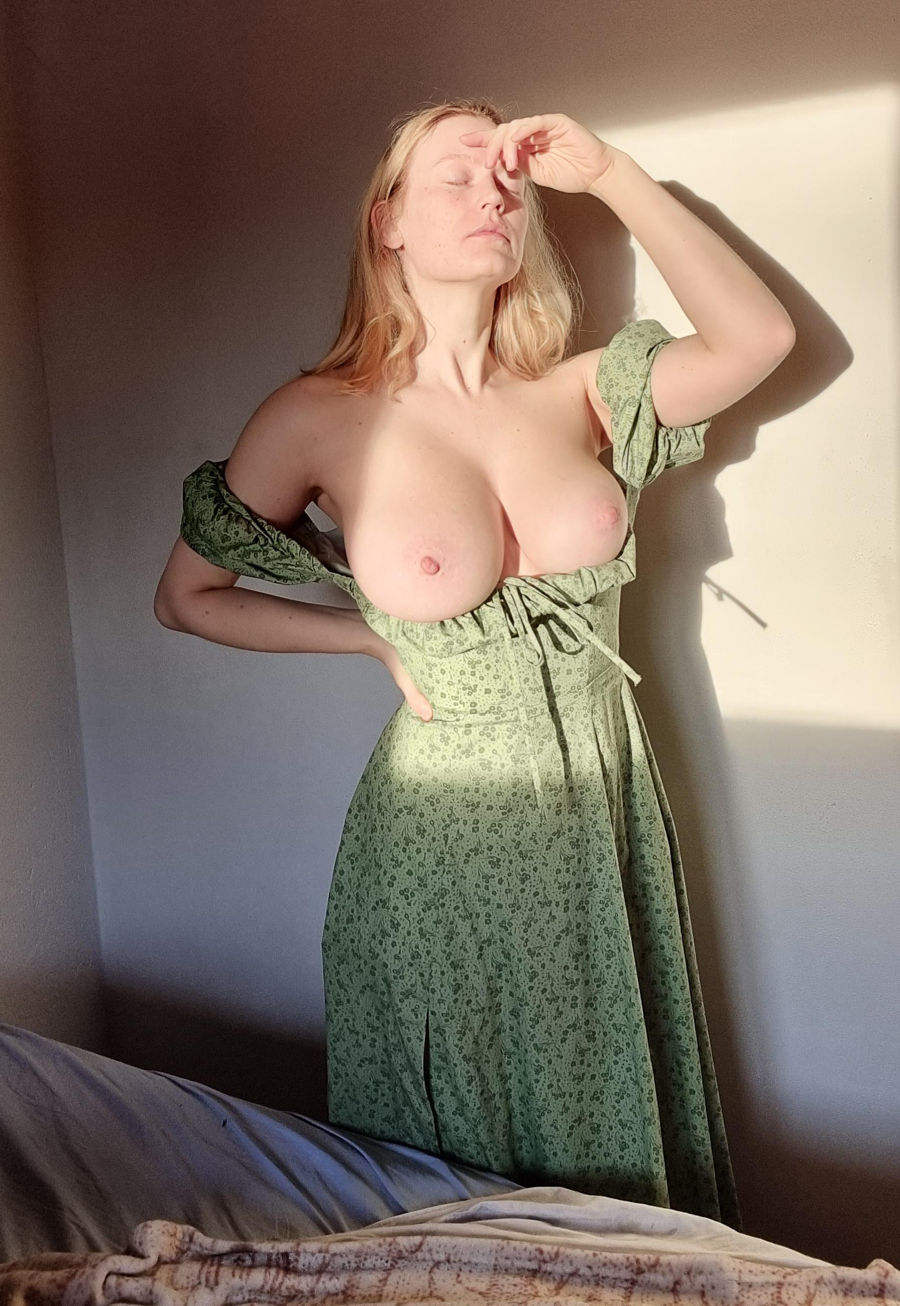
Luizaconlaz says she shares boobs and wisdom online, and if she brings even half as much wisdom as she does boobs, trust me—her advice would always be welcome. Of course, sometimes the greatest wisdom is knowing exactly what to show and when to show it. And on that front, she’s unbeatable.
# View photos and videos
ExtraBall






STEPHANE LEPINE 2026
We first discovered Stéphane Lépine’s work in late 2014, and more than a decade later, he remains one of those artists whose work is worth revisiting from time to time.
Born in France and currently based in Germany, Stéphane Lépine is a difficult creator to categorize. Painter, illustrator, photographer... his work moves effortlessly between different artistic disciplines, using each one as a different way to express his creativity.

# View photographs
ExtraBall
Activating the Bat-Signal.
ExtraBall2